
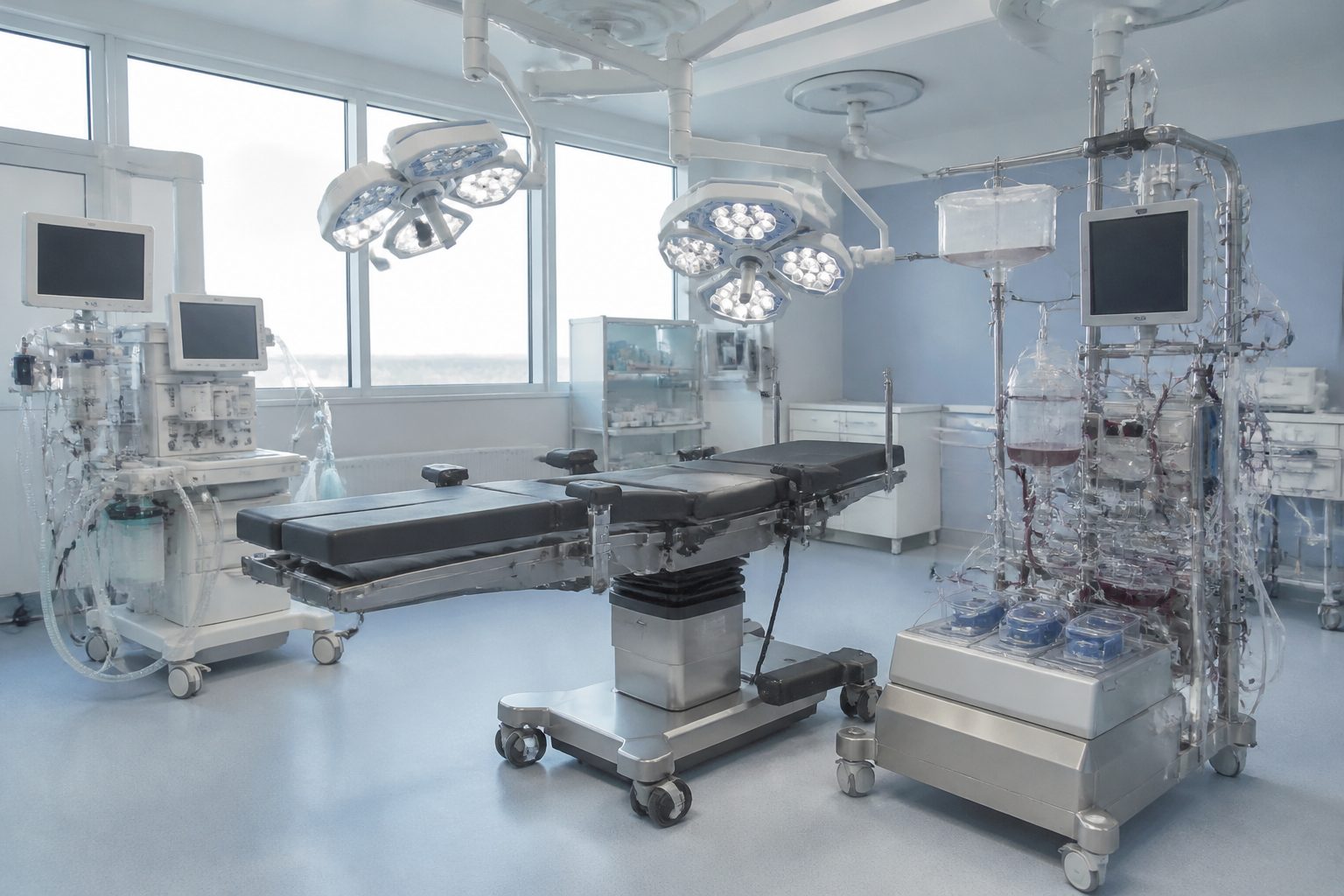
Liver transplant is a complex, life-saving surgery for patients with end-stage liver disease or certain liver cancers. For families considering treatment abroad, India, Turkey, and the UAE are leading destinations with advanced medical centres and experienced transplant teams.
On average, liver transplant surgery costs between $28,000 and $75,000 across these countries. India offers the most affordable options, while Turkey and the UAE provide additional choices for those prioritising specific amenities or proximity to home.
Who should consider a liver transplant abroad?
Liver transplant is a life-saving procedure typically recommended for patients suffering from end-stage liver disease, severe cirrhosis (often due to hepatitis B or C, alcohol-related liver damage, or non-alcoholic fatty liver disease), certain types of liver cancer such as hepatocellular carcinoma, and rare metabolic disorders that cause irreversible liver dysfunction. For these patients, when conventional treatments—like medication, lifestyle changes, or less invasive surgeries—fail to halt disease progression, a transplant becomes the only viable option for survival.
Many international patients look abroad for a liver transplant due to various pressing issues in their home countries. These include prohibitively long waiting lists for deceased donor organs, a shortage of compatible living donors, or the high cost and limited insurance coverage for such complex surgeries. For example, in countries like the US or UK, patients may wait months or even years for a suitable organ, while costs can exceed $300,000—prompting many to consider alternatives in India, Turkey, or the UAE, where wait times are often shorter and costs significantly lower.
Patients considering a transplant abroad should prioritize centres with a proven track record in handling international cases, as these hospitals are more likely to offer dedicated coordinators, multilingual staff, and streamlined processes for foreign patients. Additionally, robust post-transplant care is crucial—this includes not only immediate post-operative monitoring, but also long-term follow-up to manage immunosuppression, prevent infections, and monitor for rejection. Choosing a centre that offers comprehensive post-transplant support, either in-person or via telemedicine, is essential for ensuring the best possible outcomes after returning home.
In summary, anyone with advanced liver disease or liver cancer for whom transplantation is indicated, and who faces obstacles at home—be it cost, timing, or access to expertise—should evaluate the option of a liver transplant abroad, provided they carefully select an experienced centre and plan for both the procedure and ongoing care.
How much does a liver transplant cost: India, Turkey, UAE
The total cost of a liver transplant includes the surgery, donor workup, hospital stay, ICU care, medications, and initial follow-up. The table below compares typical price ranges in each country. These estimates are for living donor liver transplants, which are most common for international patients.
| Country | Total cost (USD) | Local currency | What’s included | Typical hospital stay |
|---|---|---|---|---|
| India | $28,000–$40,000 | ₹23–33 lakh | Surgery, donor & recipient workup, ICU, 2-3 weeks stay, 3 months immunosuppressants | 20–30 days |
| Turkey | $55,000–$70,000 | ₺1.73–2.2 million | Surgery, donor & recipient workup, ICU, 3-4 weeks stay, 2-3 months immunosuppressants | 25–35 days |
| UAE | $60,000–$75,000 | AED 220,000–275,000 | Surgery, donor & recipient workup, ICU, 3-4 weeks stay, 2-3 months immunosuppressants | 25–35 days |
What is included and not included in the price
Most quoted transplant packages in India, Turkey, and the UAE are comprehensive but do not cover every possible cost. Typically included are:
- Pre-transplant evaluation of both donor and recipient
- Surgical fees for both operations
- ICU and standard hospital stay for both donor and recipient
- Routine medications during admission
- Immunosuppressants for the initial 2–3 months
- Basic laboratory tests and imaging
Not included:
- Complications requiring extended ICU or hospital stay
- Unanticipated re-operations or additional procedures
- Long-term follow-up after discharge (beyond 3 months)
- Travel, accommodation, meals for family
- Visas and insurance (if applicable)
- Non-standard medications or imported immunosuppressants
Always ask for a detailed breakdown and confirm what is not covered to avoid surprises.
What drives the price: Key cost factors
Liver transplant is among the most costly surgical procedures due to its complexity and resource needs. Major price drivers include:
- Hospital type: Accredited tertiary centres with high transplant volumes may charge more, but often provide better safety and outcomes.
- Surgeon and team fees: Highly experienced teams command higher fees, especially those known for complex or high-risk cases.
- Donor evaluation: Living donor workup can add substantially to the cost, particularly if specialised imaging or genetic tests are needed.
- ICU and hospital stay: Extended stays due to complications can increase costs by $5,000–$10,000 or more.
- Medications: The cost of immunosuppressants varies widely depending on the regimen and whether brand-name or generic drugs are used.
- Follow-up care: Some packages include several months of follow-up, while others charge separately for each visit.
Currency fluctuations may also impact costs for international patients, particularly in Turkey and India.
How to choose a hospital or centre
Choosing the right centre is crucial for both short- and long-term outcomes. Consider:
- Experience: Prioritise hospitals with a strong track record in liver transplantation, particularly with international patients.
- Accreditation: Look for JCI or national accreditation (like NABH in India) for assurance of quality and safety standards.
- Multidisciplinary team: Centres should have hepatologists, transplant surgeons, anaesthetists, infectious disease specialists, and critical care experts.
- International patient services: Language support, visa assistance, and transparent billing are helpful for overseas patients.
- Aftercare: Ask about long-term follow-up, either locally or via telemedicine, and support for any complications after returning home.
Request to speak with former patients or review testimonials, and don’t hesitate to ask detailed questions about outcomes and protocols.
Hidden costs and how to plan for them
While many hospitals in India, Turkey, and the UAE offer liver transplant packages that appear comprehensive, there are often additional expenses that may not be fully disclosed in initial quotes. These hidden costs can add up significantly and should be anticipated when planning your budget.
- Additional blood products or rare medications: If the patient requires extra units of blood, specialized clotting factors, or rare medications (such as certain antifungals or antivirals), these may be billed separately and can be especially costly if not included in the package.
- Unexpected ICU or hospital days: Complications during or after surgery, such as bleeding, organ rejection, or infections, can extend the patient’s stay in the ICU or hospital. Each extra day can substantially increase the final bill, particularly in private hospitals or in countries where ICU care is expensive.
- Readmission for early complications: If the patient develops complications soon after discharge, such as infection or acute rejection, they may need to be readmitted. This can incur further charges for hospital stay, diagnostic tests, and additional treatments.
- Travel and stay for extended family: Many patients require a caregiver or family member to accompany them. Expenses for flights, accommodation, food, and local transportation can add up quickly, especially if the recovery period is extended.
- Repeat diagnostic testing: Sometimes, pre- or post-operative tests must be repeated if results are inconclusive or if there are changes in the patient’s condition. These tests, such as advanced imaging or specialized blood work, may not be included in the base package.
- Legal and administrative fees for donor approval: Particularly in Turkey and the UAE, there are strict regulations regarding living donor transplants. Legal fees for documentation, ethics committee reviews, and translation services can add hundreds or even thousands of dollars to the total cost.
To avoid financial surprises, experts recommend budgeting an extra 10–20% over the quoted cost to cover these potential contingencies. It’s also wise to have access to emergency funds or a credit line in case of unexpected expenses. Before committing, ask the hospital for a detailed breakdown of what is and isn’t included in their package, and clarify how complications or additional treatments will be billed. Finally, review your health insurance policy (if you have one) to see if any portion of the surgery, complications, or follow-up care is covered, either in your destination country or back home. Proactive planning and clear communication with your chosen centre can help ensure your financial preparedness for the entire transplant journey.
How to save safely on transplant costs
While seeking the lowest possible price for a liver transplant is understandable, it’s critical not to sacrifice safety or quality of care. There are several practical ways to manage and reduce costs without jeopardizing your health or long-term transplant success.
- Transparent, all-inclusive package pricing: Select hospitals known for offering clear, fixed-price packages that include surgery, hospital stay, medications, and standard post-operative care. This reduces the risk of unexpected charges and helps you budget more accurately. Be sure to ask for a detailed list of what is and isn’t included, and clarify how complications are billed.
- Generic immunosuppressants: Immunosuppressive drugs are essential after transplant and can be expensive. Many Indian and Turkish hospitals offer high-quality generic versions at a fraction of the cost of branded drugs. Discuss with your doctor whether generics are suitable for your case, as this can lead to significant long-term savings.
- Affordable accommodation options: Many hospitals provide or partner with guesthouses or serviced apartments for patient families. These facilities are not only more affordable than hotels but also offer proximity to the hospital, reducing transportation costs and stress during recovery.
- Financial aid and charitable support: In India, several government schemes and local charities assist both domestic and international patients. Ask your hospital’s international patient coordinator about eligibility for financial aid, free medications, or subsidized accommodation. Some Turkish hospitals also have charity programs for eligible patients.
- Coordinated follow-up care at home: By arranging for routine follow-up blood tests and check-ups with your local doctor, you can minimize the duration and cost of your overseas stay. Many centres support telemedicine follow-ups, ensuring continuity of care without the need for prolonged travel.
No matter how tempting it may be to cut costs, never compromise on essential aspects like thorough donor screening, infection prevention, or adequate post-transplant monitoring. Skimping on these areas can lead to serious complications, hospital readmissions, and much higher expenses in the long run. The key to safe savings lies in careful planning, clear communication with your chosen centre, and a steadfast commitment to quality at every stage of the transplant process.
Planning your trip: Logistics and timeline
Undergoing a liver transplant abroad is a complex process that requires thorough preparation, detailed coordination, and clear timelines. The journey begins with an initial assessment by your local healthcare provider, who will confirm the need for a transplant and help gather all relevant medical records, including imaging, lab results, and previous treatment summaries. These documents are then shared with your chosen transplant centre in India, Turkey, or the UAE, often via secure online portals or email.
- Initial evaluation and records gathering: Work with your local physician to compile a comprehensive medical history, ensuring all records are translated if necessary.
- Remote consultation: Most leading centres offer virtual consultations, allowing you to discuss your case, clarify eligibility, and review the treatment plan with the transplant team before you travel.
- Visa application: For India and Turkey, obtaining a medical visa is mandatory and can take anywhere from a few days to several weeks. The hospital usually provides an invitation letter to support your application. The UAE may require a different type of entry permit, so check with your destination hospital for guidance.
- Travel arrangements: Plan flights for the patient, donor (if applicable), and any accompanying family members. Consider flexible tickets in case your timeline shifts due to medical reasons.
- On-site pre-transplant evaluation: Upon arrival, both patient and donor undergo a series of in-depth tests—blood work, imaging, cardiac evaluations, and more—to confirm suitability and identify any unforeseen risks. This phase typically lasts 1–2 weeks and is critical for a safe surgery.
- Surgery and post-operative hospital stay: The transplant itself is a major operation, followed by a 3–4 week hospital stay for close monitoring, infection prevention, and initial rehabilitation.
- Initial follow-up: After discharge, patients must remain near the hospital for 2–4 weeks for frequent check-ups, medication adjustments, and to promptly address any early complications.
- Return home and ongoing follow-up: Once medically stable, you can return to your home country, but long-term follow-up is essential. Your local doctor will coordinate with the transplant centre to monitor your recovery, manage medications, and conduct necessary laboratory tests.
In total, you should anticipate spending 6–8 weeks in the destination country, although this can be longer if there are complications or if recovery is slower than expected. It is wise to have contingency plans in place, such as flexible accommodation bookings and sufficient funds for an extended stay. Staying organized, maintaining clear communication with your transplant team, and preparing for every stage of the process will help ensure a smoother and safer transplant journey.
Frequently asked questions
How long is the waiting time for a liver transplant in these countries?
For living donor liver transplants, waiting times are typically short in India, Turkey, and the UAE, as the donor is a family member or close relative. For deceased donor transplants, waiting times can be several months to years, and are less predictable for overseas patients.
Can international patients bring their own donor?
Yes, international patients are usually required to bring a compatible living donor, such as a family member. Both donor and recipient must undergo extensive medical and legal evaluation to ensure safety and compliance with local laws.
What is the success rate for liver transplants in these countries?
Success rates for liver transplant are generally high at major centres in India, Turkey, and the UAE, comparable to international standards. Outcomes depend on patient health, donor match, and centre experience. Ask your chosen hospital for their specific data.
Will I need to stay in the country for long after surgery?
Most centres recommend staying for at least 4–6 weeks after surgery for close monitoring and early follow-up. Your doctor will advise when it is safe to return home, based on your recovery and stability.
Are there risks of complications after returning home?
Yes, complications such as rejection or infection can occur after returning home. It’s essential to arrange for local follow-up with a liver specialist and maintain communication with your transplant team abroad. Emergency plans should be in place before travel.
The bottom line
Liver transplant procedures in India, Turkey, and the UAE have become increasingly popular among international patients due to their combination of advanced medical expertise, internationally accredited hospitals, and much lower costs compared to Western countries. In India, the total cost for a liver transplant—covering surgery, hospital stay, and immediate post-operative care—can range from $30,000 to $45,000, making it the most affordable of the three. Turkey typically charges between $60,000 and $90,000, while the UAE’s costs are often in the $80,000 to $120,000 range, reflecting higher operational expenses and stricter regulatory environments.
Each destination offers unique advantages. India is renowned for its high volume of transplants, experienced surgical teams, and robust infrastructure for both living and deceased donor procedures. Turkish centres are known for their advanced technology, high success rates, and proximity to Europe and the Middle East, which can reduce travel time and costs for patients from those regions. The UAE, while more expensive, provides a luxury healthcare experience and is often chosen for its modern facilities, English-speaking staff, and supportive environment for international patients.
Regardless of the destination, careful planning is essential. This includes selecting a hospital with a strong track record in liver transplantation, understanding the breakdown of all costs (including potential hidden expenses), and ensuring that both the patient and donor (if applicable) meet all medical and legal requirements. Post-transplant care, both in the host country and after returning home, is critical to long-term success and should be factored into your decision-making and budgeting process.
Related guides
Disclaimer: Prices cited are indicative and can vary significantly depending on the patient’s health status, donor compatibility, hospital policies, and unforeseen complications. Always request a detailed, written quote and consult with a qualified transplant specialist before making any medical or financial commitments. Your health and safety should remain the top priority throughout this complex process.