
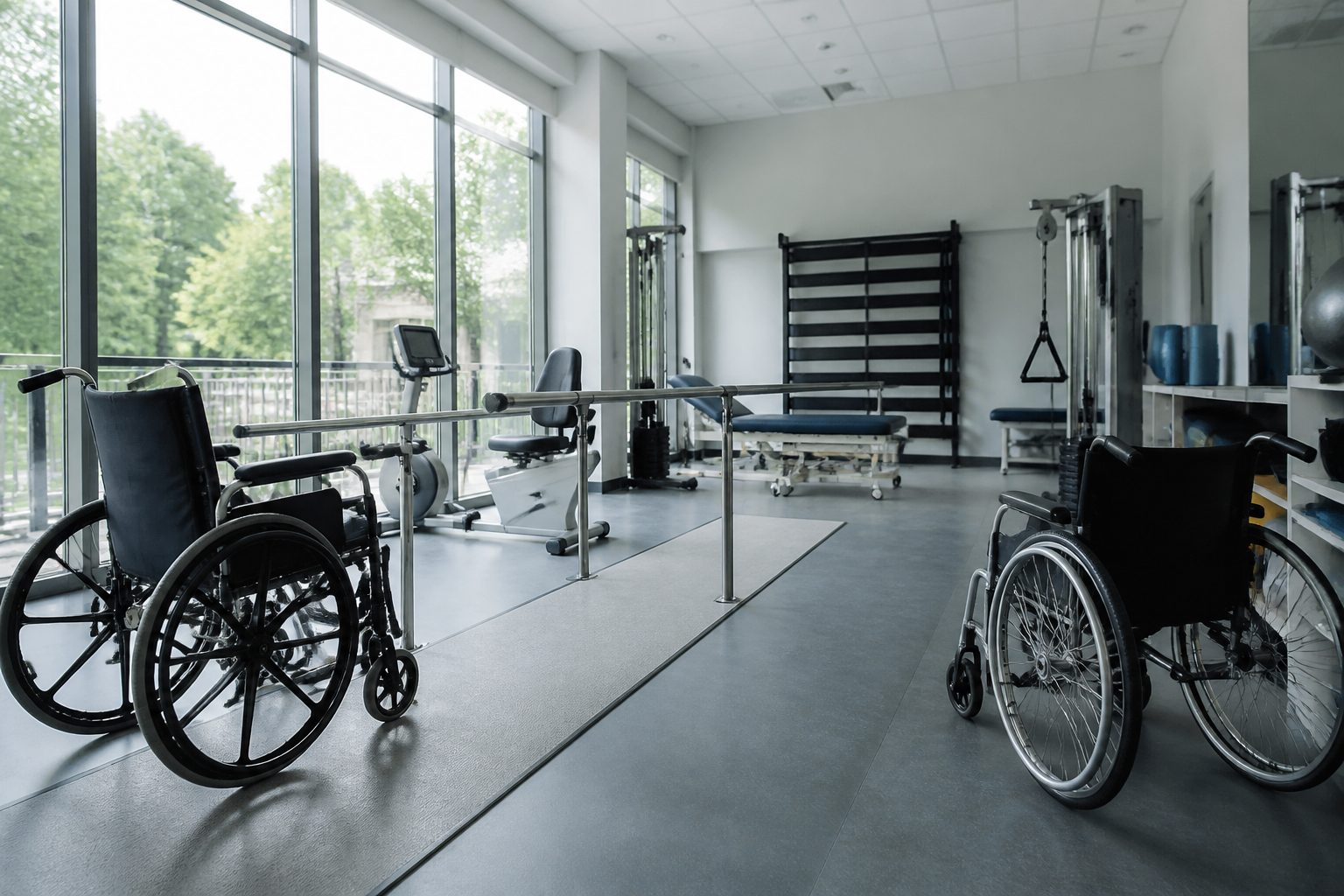
Spinal cord injury rehabilitation is a complex, long-term process, with costs ranging from $6,000 to $45,000 per month depending on the country, hospital, and level of care required. This guide is for patients and families comparing options for serious rehabilitation after spinal injury, including top centers and detailed cost breakdowns.
Choosing the right rehabilitation program is crucial for recovery and quality of life. Below you’ll find what to expect, how costs vary, and practical advice on selecting a center and planning your budget.
What spinal cord injury rehabilitation involves
Rehabilitation after a spinal cord injury (SCI) is essential for regaining function, independence, and quality of life. It typically takes place in specialized centers with multidisciplinary teams—including physiatrists, neurologists, physical therapists, occupational therapists, speech therapists, psychologists, and rehabilitation nurses. Treatment is individualized, addressing mobility, self-care, bladder and bowel management, pain, and psychological adaptation.
Programs range from intensive inpatient care to outpatient therapy and home-based programs. The most advanced centers offer robotics, functional electrical stimulation, hydrotherapy, and advanced assistive technology. Length of stay varies: inpatient programs often last 1–6 months, while outpatient therapy can continue for years.
Typical cost breakdown by country
The cost of spinal cord injury rehabilitation varies dramatically worldwide. Factors include the country’s healthcare pricing, public vs. private hospital status, and the intensity of therapy. Below is a table comparing typical monthly costs in major medical travel destinations and Western countries. Prices are for comprehensive inpatient rehab and include room, board, daily therapy, and basic medical management unless noted otherwise.
| Country | Monthly cost (USD) | Local currency | Inclusions |
|---|---|---|---|
| India | $6,000–$10,000 | ₹5–8 lakh | Inpatient rehab, therapies, accommodation, basic meds |
| Thailand | $9,000–$18,000 | ฿320,000–640,000 | Inpatient, therapies, accommodation, some devices |
| Singapore | $15,000–$28,000 | S$20,000–38,000 | Inpatient, therapies, specialist care, nursing |
| Turkey | $7,500–$15,000 | ₺240,000–480,000 | Inpatient, therapies, some devices |
| Germany | $18,000–$32,000 | €16,500–29,000 | Inpatient, therapies, advanced tech, nursing |
| United States | $25,000–$45,000 | – | Inpatient, therapies, advanced tech, consults |
| UK | $20,000–$35,000 | £16,000–28,000 | Private only; NHS may cover costs for residents |
| Philippines | $7,000–$12,000 | ₱400,000–690,000 | Inpatient, therapies, basic accommodation |
What is and isn’t included in the price
When receiving a quote for spinal cord injury rehabilitation, it is important to understand precisely what the price does—and does not—cover. Most facilities provide an inpatient package rate, which typically includes core services such as accommodation (either in a shared or private room), daily sessions of physical, occupational, and sometimes speech therapy, ongoing medical supervision, nursing care, and standard meal plans. Basic medications, such as pain relievers and antibiotics, are often included as well, but only if they are part of the standard formulary.
- Included: Room and board, daily therapies, standard medical and nursing care, basic meals, and routine medications are standard in most packages. Some centers may also include limited recreational activities or social work support.
However, many essential items are typically billed separately. Specialized assistive devices such as custom wheelchairs, orthoses, or robotic rehabilitation equipment are rarely included in the base price. Advanced imaging (MRI, CT scans) or surgical procedures for complications are also extra. Personal caregivers or aides—who may be required for patients with higher care needs—are almost always an additional cost. Medications for complications like spasticity or chronic infections, as well as follow-up outpatient therapy after discharge, are also commonly excluded.
- Not included: Custom or high-tech assistive devices, advanced diagnostics, personal care aides, non-standard medications, ongoing outpatient therapy, and family accommodation or meals. In many countries, these costs can add up quickly and may not be covered by insurance, particularly for international patients.
To avoid misunderstandings, always ask for a detailed, itemized breakdown from the hospital or rehabilitation center. Clarify which services are included in the quoted price and which will be billed separately, and inquire about the costs of any likely additional services you may need during or after your stay.
Major cost drivers
Several factors significantly influence the total cost of spinal cord injury rehabilitation:
- Level and severity of injury: Higher-level injuries (cervical spine) and complete injuries require more intensive therapy and nursing.
- Length of stay: Extended rehabilitation (typically 1–6 months) increases costs. Some patients need ongoing outpatient care for years.
- Facility type: Private hospitals and internationally accredited centers (JCI, NABH) charge more but may offer higher standards and more advanced technology.
- Therapy intensity and technology: Centers with robotics, exoskeletons, or advanced rehab devices often charge higher fees.
- Location: Major cities and medical travel hubs are usually more expensive than regional centers.
Other cost drivers include the need for surgery, management of complications, and additional support services (e.g., psychological counseling, vocational training).
How to choose a rehabilitation center
Choosing the right center depends on medical needs, budget, and personal preferences. Key criteria include:
- Experience with SCI: Look for centers with a dedicated spinal injury program and experienced staff.
- Multidisciplinary care: A team approach is vital, with specialists in neurology, rehab medicine, physiotherapy, occupational therapy, nursing, and psychology.
- Accreditation: International accreditations (JCI, CARF) or strong national standards (NABH in India) are positive indicators.
- Facilities: Check for up-to-date therapy equipment, assistive technology, and accessible accommodation.
- International patient services: Interpreter services, visa support, and transparent billing are helpful for overseas patients.
Visit if possible, or request a virtual tour and speak with former patients. Ask about outcomes, staff-to-patient ratios, and support for families.
Hidden costs and how to avoid them
Unexpected expenses can quickly inflate the total cost of spinal cord injury rehabilitation, catching many families off guard. While initial quotes may seem comprehensive, they often exclude a range of common but significant costs. For example, additional therapy sessions—such as aquatic therapy, advanced robotics, or extra physical and occupational therapy—may not be included in the standard package, especially if the patient progresses slower than anticipated.
- Specialist consultations: Visits to urologists, pain specialists, or psychologists are frequently billed separately, and these appointments are often necessary for managing secondary conditions.
- High-cost medications: Drugs for neuropathic pain, spasticity, or infections can be expensive, particularly if branded medications are required or if they are not on the hospital’s standard formulary.
- Assistive devices: The need for custom wheelchairs, pressure-relieving mattresses, or advanced exoskeletons can add thousands of dollars to the bill. Rental versus purchase decisions may also impact costs.
- Family expenses: Accommodation, meals, and travel for family members supporting the patient can accumulate, especially in countries where hospitals do not provide family housing.
- Unexpected hospital stays: Complications such as infections, pressure sores, or medical emergencies may necessitate additional inpatient days, which are usually charged at a premium.
To avoid these surprises, always request a comprehensive, itemized estimate from the provider. Ask specifically about policies for extra charges—such as overtime therapy, after-hours care, or emergency admissions. Clarify payment terms, refund policies, and whether insurance or government programs might offset any of these costs. As a general rule, set aside an additional 10–20% of your estimated budget to cover unforeseen expenses, and review your plan regularly as needs evolve.
Ways to save on spinal cord injury rehab safely
While the high cost of spinal cord injury rehabilitation can be overwhelming, there are safe and effective ways to reduce expenses without compromising essential care or long-term outcomes. The first step is to research and compare rehabilitation centers in different countries or regions. For example, high-quality care in countries such as India, Thailand, or Turkey may cost a fraction of what similar treatment would in the United States, Canada, or Western Europe. However, it is important to factor in travel, accommodation, and potential language barriers when making your decision.
- Compare centers: Look for internationally accredited facilities with strong reputations in SCI care. Patient reviews and outcomes data can help guide your choice.
- Shared accommodation: Opting for a shared room instead of a private one can save thousands per month, with minimal impact on care quality.
- Outpatient or home-based rehab: After an initial inpatient period, transitioning to outpatient or home-based therapy can reduce costs significantly while still providing necessary support.
- Bring your own devices: If you already own suitable wheelchairs or assistive devices, bring them to avoid rental or purchase fees.
- Package deals: Some centers offer discounts for longer stays or bundled therapy packages—ask about these options in advance.
- Seek financial support: Investigate government programs, non-governmental organizations (NGOs), or health insurance coverage available in your home country. Some charities and advocacy groups offer grants or equipment loans to help offset costs.
It is crucial never to skip essential therapies or compromise on necessary medical supervision to save money, as this can lead to poorer outcomes and higher costs in the long run. Always discuss with your clinical team which therapies are medically necessary and which are optional or can be safely modified. Careful planning and open communication with providers can help you find the best balance between quality care and financial sustainability.
Planning for long-term needs
Rehabilitation after a spinal cord injury is an ongoing journey that extends well beyond the initial inpatient stay. Most patients require a continuum of care that can last for years or even a lifetime. After discharge from a rehabilitation hospital, ongoing outpatient physical and occupational therapy is often necessary to maintain and build upon progress. This may include weekly or biweekly sessions, which can cost anywhere from $50 to $200 per session in countries like the US or UK, while being significantly more affordable in countries such as Turkey or India.
- Regular outpatient therapy: Essential for maintaining strength, flexibility, and function. Frequency and duration vary based on injury severity and goals.
- Medical follow-up: Routine check-ups with specialists (neurologists, urologists, pain management) are required to monitor for complications such as infections, spasticity, or pressure sores.
- Assistive devices: Ongoing costs include repairs, upgrades, and replacements of wheelchairs, orthotics, and other mobility aids. These can be partially covered by insurance in some countries, but out-of-pocket expenses are common, especially for custom equipment.
- Home modifications: Making living spaces accessible—installing ramps, stairlifts, or accessible bathrooms—can cost thousands of dollars or more, depending on local construction costs and government subsidies.
- Reintegration support: Vocational rehabilitation, counseling, and educational support are often needed for returning to work or school, and may not be covered by health insurance.
When budgeting, families should plan for at least one year of these ongoing costs, though many needs will persist longer. Some insurance policies, especially in countries with universal healthcare, may cover certain aspects, but gaps remain—particularly for non-citizens or those seeking care abroad. It’s wise to consult with a case manager or social worker early on to understand available resources and to build a realistic, long-term financial plan.
The bottom line
Spinal cord injury rehabilitation represents not only a major financial undertaking but also a significant emotional journey for patients and their families. The monthly costs can range dramatically—from as low as $6,000 to as high as $45,000—depending on a variety of factors such as the country of treatment, the specific hospital or rehabilitation center, and the intensity and type of care required. For example, in the United States, top-tier rehabilitation centers tend to be at the higher end of the spectrum, while countries like India or Thailand may offer quality care at a fraction of the cost, though travel and accommodation must be factored in.
Specialized, multidisciplinary centers with extensive experience in spinal cord injury (SCI) rehabilitation consistently deliver the best outcomes, but these facilities often come with higher price tags due to access to advanced technologies and comprehensive care teams. Regardless of location, it is crucial to obtain a detailed, written quote that outlines exactly what is included in the package—such as therapies, medications, accommodation, and meals—and to clarify any potential extra charges upfront.
Families should also anticipate and plan for long-term needs, as SCI rehabilitation is rarely a short-term process. Comparing centers internationally can help balance the critical factors of quality and affordability. Take time to research accreditation, staff qualifications, and patient reviews. In summary, while the investment is substantial, careful planning and due diligence can help maximize both the value and the outcomes of rehabilitation.
Frequently asked questions
How long does spinal cord injury rehabilitation usually take?
Inpatient rehabilitation typically lasts one to six months, depending on the severity of the injury and progress made. Most patients continue with outpatient therapy, which can last for years, to maintain and improve functional gains.
Are rehabilitation costs covered by insurance or government programs?
Coverage varies by country and insurance plan. In the US and some Western countries, parts of rehabilitation may be covered, but there are often limits. In most Asian countries, international patients pay out-of-pocket, though some local insurance may help.
Can family members stay with the patient during rehabilitation?
Many centers allow family members to stay nearby or in the same facility, but accommodation and meals are usually charged separately. Some hospitals offer special rates or in-room beds for caregivers; always confirm in advance.
What happens if complications arise during rehabilitation?
If medical complications occur, such as infections or pressure sores, extra medical attention, medications, or even surgery might be needed. These costs are often not included in the standard rehab package and can add significantly to the bill.
How can I compare rehabilitation centers internationally?
Compare centers based on experience with SCI, multidisciplinary team quality, technology, patient outcomes, and cost transparency. Ask for detailed program descriptions, virtual tours, and itemized cost estimates before making a decision.
Related guides
Disclaimer: All prices are indicative and vary according to individual case complexity, length of stay, and hospital policies. Readers should obtain a written quote from their chosen facility and consult a qualified medical professional before making decisions.