
Cancer treatment is a major financial commitment, especially when it involves surgery, chemotherapy, and radiation. Patients and families facing a new diagnosis often ask: what will the total cost be, and what does that cost cover?
This guide provides a clear breakdown of cancer treatment costs in major medical destinations, covering what’s included, what’s not, and how you can plan for the full financial impact.
What is included in the total cost of cancer treatment?
Total cancer treatment costs depend on the type and stage of cancer, the specific therapies required, and the country or hospital. In general, a full course of treatment includes:
- Surgery: Removal of the tumour or affected organ, including pre-operative tests, anaesthesia, surgeon’s fees, operating theatre, and post-surgical care.
- Chemotherapy: Medication costs (often several cycles), infusion fees, monitoring blood counts, and supportive medication for side effects.
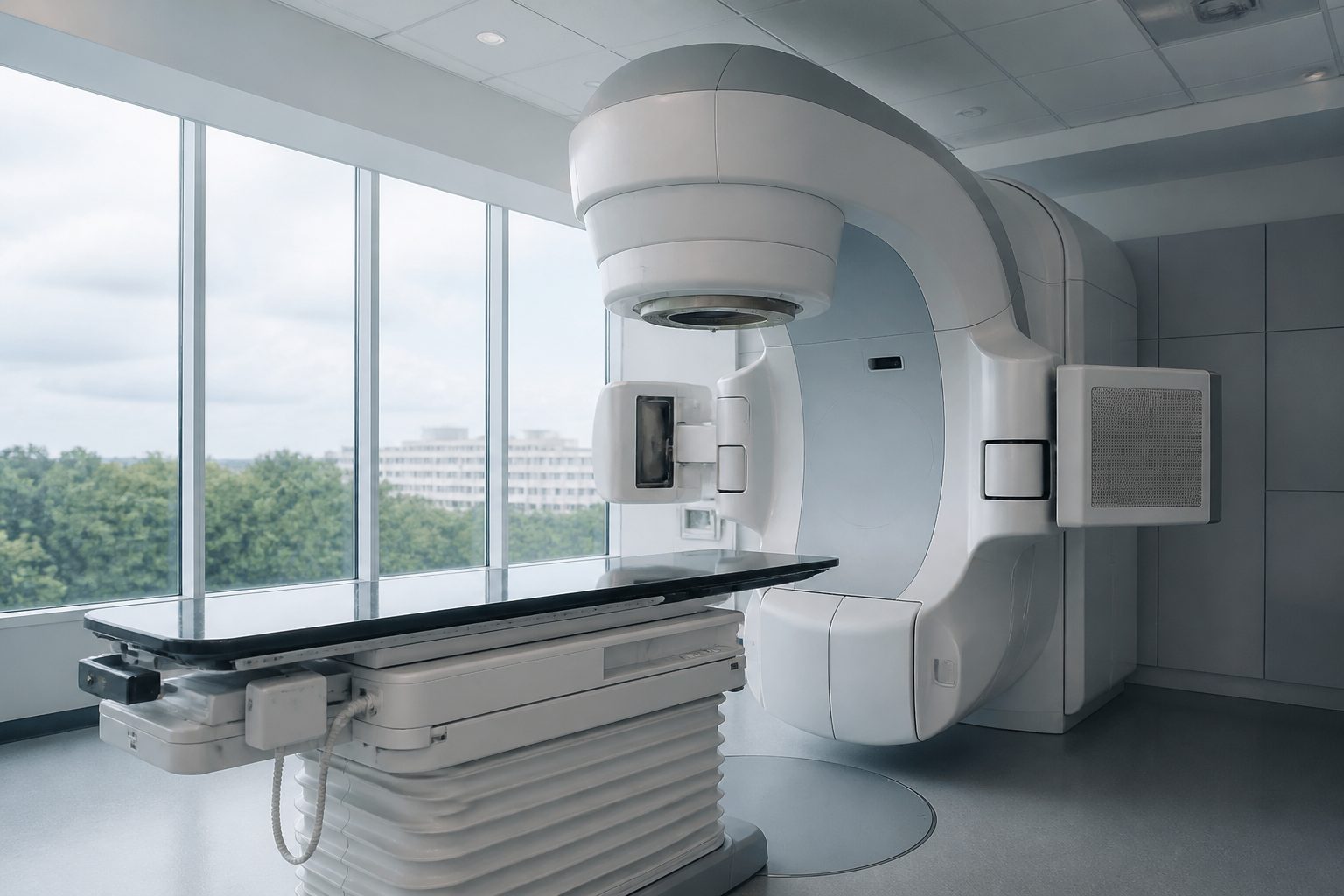
- Radiation therapy: Planning scans, radiation oncologist fees, use of the equipment (linear accelerator or other device), and daily treatment sessions (fractions).
- Hospital stay: Room charges, nursing care, and meals during inpatient periods.
- Outpatient visits: Follow-ups, blood tests, and imaging to monitor response.
- Supportive care: Medications for nausea, pain, or infection prevention.
Not all patients need all modalities. Some may require only chemotherapy and radiation, or only surgery. Others may need more, such as targeted therapy, immunotherapy, or stem cell transplant, which significantly increase costs.
Worldwide cost comparison: surgery, chemotherapy, and radiation
The cost of cancer treatment varies dramatically around the world. Below is a comparison of typical costs for a full course of curative treatment (including surgery, six cycles of chemotherapy, and 25-30 sessions of radiation) for a common solid tumour such as breast or colon cancer. Costs are indicative and may vary by cancer type and individual case complexity.
| Country | Total package (USD) | Inclusions | Notes |
|---|---|---|---|
| India | $7,500-$14,000 (₹6.2-11.6 lakh) | Surgery, chemo (6 cycles), radiation (25-30 sessions), 10-14 days hospital stay | Affordable; major cities offer advanced care |
| Thailand | $15,000-$28,000 (฿540k-1m) | Full package, high service standards, English-speaking staff | Popular for private care |
| Turkey | $12,000-$22,000 (₺390k-715k) | Comprehensive treatment, JCI-accredited centres | Strong oncology reputation |
| USA | $80,000-$180,000 | All major modalities, advanced technology | Very high cost without insurance |
| UK | $55,000-$120,000 (£44k-96k) | Private sector; NHS free for residents only | Limited private oncology beds |
| Germany | $65,000-$130,000 (€60k-120k) | Full inpatient package, high-tech facilities | Strict protocols, English support available |
| Singapore | $35,000-$70,000 (SGD 47k-94k) | Specialist hospitals, high quality care | Popular with regional patients |
| Philippines | $9,000-$18,000 (₱510k-1m) | Surgery, chemo, radiation, hospital stay | Lower cost in public hospitals |
| Egypt | $8,500-$16,000 (EGP 410k-770k) | Full package, major cancer centres | Regional medical tourism hub |
What is not included and hidden costs
When budgeting for cancer treatment abroad, it is vital to recognise that initial quotes often cover only the core components—such as surgery, chemotherapy, radiation, and the standard hospital stay. However, several important and sometimes costly elements are frequently excluded, leading to significant out-of-pocket expenses. Here is a detailed look at common hidden costs and what to watch for in different countries:
- Pre-treatment workup: Essential diagnostic tests like advanced imaging (PET/CT, MRI), tumour marker blood tests, and biopsies are often billed separately from the main treatment package. In countries such as Germany and Singapore, these diagnostic procedures can add thousands of dollars to your bill, especially if repeated scans or specialist consultations are required.
- Management of complications: Should you experience complications—such as infections, bleeding, or the need for intensive care (ICU)—these are rarely included in standard packages. ICU stays, emergency surgeries, or additional medications can dramatically increase your total cost, particularly in private hospitals in Thailand or Turkey where daily ICU rates may be high.
- Targeted and advanced therapies: Newer cancer drugs, such as monoclonal antibodies (e.g., trastuzumab for breast cancer) or immunotherapies, are often excluded from base packages and can add $10,000 to $80,000 or more to your total expenses. These costs are especially significant in countries where such drugs are imported and not covered by government programs or insurance.
- Supportive medications and care: Drugs to manage side effects (anti-nausea, painkillers, growth factors), nutritional supplements, and even blood transfusions may be charged separately. These can accumulate over the course of treatment, particularly for patients undergoing multiple chemotherapy cycles.
- Follow-up and monitoring: Regular post-treatment scans, blood tests, and specialist consultations are critical for monitoring progress but are not always included in the initial quote. In places like the UAE or Singapore, these follow-up costs can be substantial, especially if ongoing imaging is required every few months.
- Travel and accommodation: For international patients, the cost of flights, local transport, and lodging for both the patient and accompanying family members can be significant. Some countries, like India or Thailand, offer more affordable living costs, but expenses can still add up over weeks or months of treatment.
To avoid financial surprises, always request a comprehensive, written breakdown that clearly lists what is included and what is not. Ask specifically about potential extra charges for complications, advanced therapies, and follow-up care. This level of detail will help you make an informed decision and plan your budget more accurately, ensuring you are fully prepared for the true total cost of cancer treatment abroad.
What drives the price of cancer treatment?
The total cost of cancer treatment is shaped by a complex interplay of medical, institutional, and geographic factors. Understanding these drivers can help you make informed choices and anticipate your financial obligations. Here are the key elements that influence pricing, with real-world examples and practical considerations:
- Type and complexity of cancer: Certain cancers—such as those affecting the brain, pancreas, or head and neck—require intricate surgeries and specialised expertise, leading to higher costs. For example, a brain tumour operation in Germany or Singapore may cost significantly more than early-stage breast cancer surgery in India, due to the advanced technology and multidisciplinary care required.
- Stage at diagnosis: The more advanced the cancer, the more extensive and prolonged the treatment plan. Advanced-stage cancers often involve multiple cycles of chemotherapy, targeted therapies, or palliative care, all of which add to the total cost. Early detection can reduce both treatment intensity and expenses.
- Choice of hospital and country: Private international hospitals, such as those in Singapore or the UAE, generally charge more than public or government centres, but they may offer faster access to treatment, private rooms, and additional amenities. In contrast, public hospitals in India or Turkey provide more affordable care, though wait times might be longer.
- Technology and treatment methods: The use of cutting-edge technology—like IMRT (Intensity-Modulated Radiation Therapy), proton therapy, robotic surgery, or genetic profiling—can substantially increase costs. For example, proton therapy in the United States or Europe can add tens of thousands of dollars to the bill, while robotic surgery is becoming more common in high-end centres in South Korea and Israel.
- Drug regimens and personalised medicine: Standard chemotherapy protocols are generally less expensive than targeted therapies or immunotherapies, which may be necessary for certain cancer types. The cost of drugs like pembrolizumab or trastuzumab can be substantial, especially in countries where these medications are not subsidised or covered by insurance.
- Length and level of hospital care: Longer hospital stays, particularly after complex surgery or when complications arise, drive up costs. Intensive care unit (ICU) stays, additional nursing support, and extended rehabilitation all contribute to the final bill. Some countries, like Thailand and Malaysia, offer lower daily rates for hospitalisation compared to Western countries, but costs can still escalate with prolonged admissions.
To accurately estimate your total expenses, discuss each of these factors with your treating team. Request clarity on what is medically necessary for your case versus what is optional or elective. This will help you balance quality, safety, and affordability as you plan your cancer treatment journey.
How to save safely on cancer treatment
Lowering the cost of cancer treatment while maintaining high standards of safety and care is possible with strategic planning and careful choices. Here are detailed, practical ways to save without compromising your health, with emphasis on cost factors and country-specific options:
- Choose affordable destinations: Countries like India, Turkey, and the Philippines are recognised for offering world-class cancer care at a fraction of Western prices. For example, major cancer surgeries in India can cost 70-80% less than in the US or UK, while maintaining high standards in accredited hospitals. Research the average costs for your specific treatment in each country to identify the best value.
- Request package deals: Many hospitals, especially in India and Thailand, offer comprehensive treatment packages that bundle surgery, chemotherapy, radiation, hospital stay, and basic post-operative care. These packages often come with fixed pricing, protecting you from unexpected charges due to longer stays or minor complications. Always clarify what is included and ask for written confirmation.
- Opt for generic medications: Generic chemotherapy and supportive drugs are widely available in countries like India and the Philippines, often at a fraction of the cost of brand-name versions. Ensure that any generics used are approved by the country’s regulatory authority and recommended by your oncologist.
- Utilise government or charitable programs: Some countries have government subsidies or non-profit foundations that help international patients access discounted or free cancer treatments, especially for children or rare cancers. Check if you qualify for these programs and how to apply before you travel.
- Clarify all costs upfront: Insist on a detailed, itemised quote covering every aspect of your care. Ask what happens if you need additional treatments, longer hospitalisation, or emergency interventions. Some hospitals provide a cost buffer or cap for unexpected events, which can prevent financial surprises.
- Minimise non-medical expenses: Plan your trip to avoid peak travel seasons, and look for hospitals that offer discounted accommodation or patient hostels. Some centres have partnerships with nearby hotels or apartments, providing affordable long-term stays for patients and families.
Above all, never compromise on safety by choosing unaccredited facilities or skipping essential treatments to save money. Always verify the hospital’s credentials, check for international accreditation, and consult with your home oncologist before proceeding. A combination of thorough research, clear communication, and use of reputable cost-saving measures can help you access affordable, high-quality cancer care abroad.
How to choose a cancer centre abroad
Choosing the right cancer centre abroad is a crucial decision that can impact not only your health outcomes but also your overall costs and experience. The process involves evaluating several concrete factors to ensure you receive the safest, most effective care at a fair price. Here are practical steps and country-specific considerations to guide your choice:
- Accreditation: Prioritise hospitals with recognised international accreditations such as Joint Commission International (JCI), which is common in top hospitals in countries like Turkey, Thailand, and Singapore. National accreditations—like NABH in India—also reflect adherence to quality standards. Accreditation ensures the hospital follows strict protocols for patient safety, infection control, and clinical outcomes.
- Specialisation: Look for centres with a dedicated oncology department and subspecialists in your specific cancer type (e.g., breast, lung, gastrointestinal). In some countries, such as Germany or South Korea, certain hospitals are renowned for particular cancer treatments, offering advanced therapies or clinical trials not available elsewhere.
- Volume and experience: High-volume centres treat more cancer cases annually, which often correlates with better surgical outcomes and lower complication rates. For example, India’s Tata Memorial Hospital and Turkey’s Anadolu Medical Center are known for handling thousands of complex cases each year.
- International patient services: The best centres have dedicated international patient coordinators who assist with visa applications, airport pickups, translation services, and finding suitable accommodation nearby. In Malaysia and Singapore, many hospitals even have multilingual staff and offer teleconsultations before travel.
- Cost transparency: Always request a detailed, written cost estimate that itemises all charges—surgery, chemotherapy, radiation, hospital stay, and any additional fees. Inquire about what is included and what could incur extra charges. Some hospitals, particularly in Thailand and India, offer fixed-price packages for common cancer treatments.
- Multidisciplinary approach: Leading cancer centres utilise tumour boards, where surgeons, medical oncologists, radiologists, and pathologists collaborate to create a personalised treatment plan. Centres in Germany and Israel are known for this team-based approach, which can improve outcomes and avoid unnecessary treatments.
Practical steps include researching hospital rankings, reading verified patient reviews, and asking for references or testimonials from other international patients. Arrange direct communication—via video or email—with the treating oncologist or surgeon to discuss your case and clarify expectations. Consider visiting patient forums or support groups to gather real-world insights about specific hospitals in your target country. Remember, thorough research and clear communication are essential to making a confident, informed decision about your cancer care abroad.
Planning tips for international patients
Preparing for cancer treatment abroad involves more than just booking a hospital—it requires meticulous planning to ensure a smooth and stress-free experience. Here are comprehensive tips and practical steps for international patients, including country-specific advice and cost considerations:
- Gather and organise medical documents: Bring all relevant medical records, including pathology slides, biopsy reports, previous imaging (on CD or USB), and a summary of treatments received so far. Many hospitals in countries like India and Germany require original documents for accurate diagnosis and treatment planning. Having digital copies can speed up the intake process and reduce delays.
- Visa and travel arrangements: Apply for a medical visa as soon as you have a treatment plan and hospital invitation letter. Some countries, such as Turkey and India, offer expedited medical visas for cancer patients. Always book flexible or refundable tickets to accommodate possible changes in treatment schedules. Check for travel advisories and ensure your passport is valid for at least six months.
- Research accommodation options: Look for guest houses, serviced apartments, or hotels near the hospital. Many centres in Thailand and Malaysia have partnerships with nearby hotels or offer on-site patient hostels at discounted rates for long stays. Compare costs and amenities, considering proximity to the hospital and access to kitchen facilities for special dietary needs.
- Interpreter and language support: Check if the hospital provides interpreter services or has multilingual staff. In countries like Germany or South Korea, language barriers can be significant, so arranging for translation support in advance is crucial for clear communication with your medical team.
- Bring a caregiver: Having a trusted companion—whether a family member or friend—provides emotional support and practical help during your hospital stay and recovery. Some hospitals require a caregiver for patients undergoing major surgery or intensive therapy, and may provide accommodation or meal support for them as well.
- Financial planning: Clarify all payment methods, deposit requirements, and refund policies with the hospital before you travel. Some hospitals in Singapore and Israel require substantial upfront deposits. Consider opening a local bank account or bringing an international credit card to facilitate payments. Also, check if your insurance covers any part of the treatment abroad.
- Aftercare and follow-up: Plan how you will receive follow-up care once you return home. Discuss with your treating team how to transfer medical records, arrange teleconsultations, or coordinate with your local oncologist for continued monitoring. Having a clear aftercare plan reduces the risk of gaps in your treatment and helps manage long-term costs.
Thorough preparation—covering documentation, logistics, finances, and aftercare—minimises stress and helps ensure you receive uninterrupted, high-quality cancer treatment abroad. Start planning early and communicate regularly with your chosen hospital’s international patient coordinator for the best possible experience.
Frequently asked questions
How long does a full course of cancer treatment take?
The total duration varies by cancer type and stage. A typical sequence of surgery, six cycles of chemotherapy, and 25-30 radiation sessions may take 4-7 months, including recovery and follow-up periods.
Can I get a package price for all treatment, or is it billed separately?
Many hospitals offer package pricing for standard protocols, especially for common cancers. However, extra costs may arise for complications, additional medications, or non-standard therapies, so clarify all details in advance.
Are newer drugs like immunotherapy included in the price?
Usually not. Most package prices cover standard chemotherapy only. Immunotherapy and targeted drugs are billed separately and can greatly increase the total cost, sometimes by tens of thousands of dollars.
What if I need further treatment after the initial plan?
If the cancer recurs or does not respond as expected, further treatment (such as additional chemo, surgery, or experimental therapies) is not included in the original package and will incur extra costs. Discuss contingency plans with your team.
Can I bring my own medications to save money?
Some hospitals allow you to supply your own medications, but this depends on local regulations and hospital policy. Always check in advance, and never purchase drugs from unregulated sources.
Related guides
Disclaimer: Prices in this article are indicative and will vary by hospital, treatment plan, and individual case. Always request a written quote and consult a qualified doctor before making any decisions.