
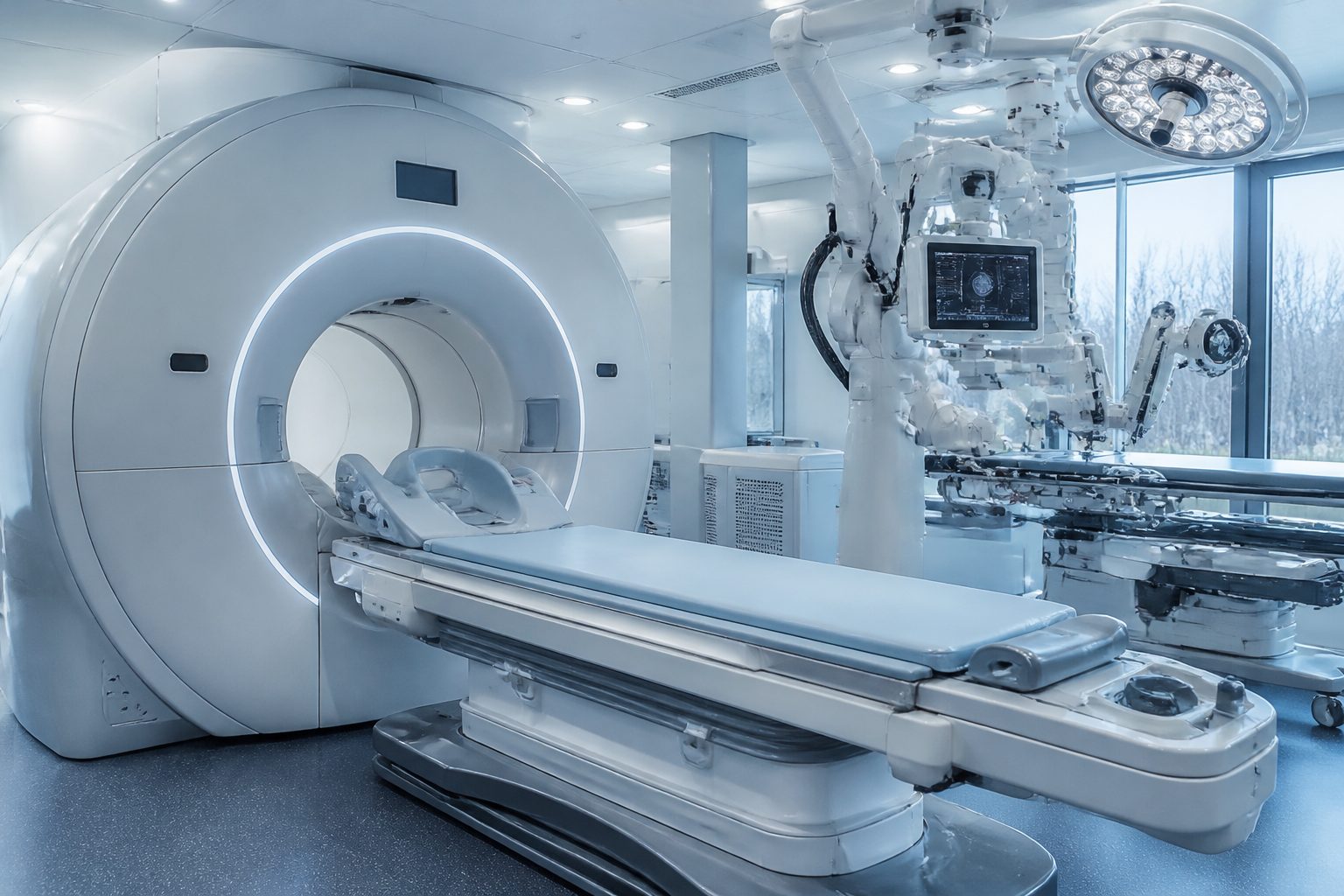
This guide is for patients and families seeking serious or long-term neurological care—such as for stroke, epilepsy, brain tumors, neurodegenerative diseases, or rare conditions—from the world’s leading hospitals. Below, you’ll find the top 20 neurology hospitals globally, their specialties, and what you can expect to pay as an international patient.
Expect total treatment costs in these centers to range from $2,500 for basic diagnostics to $50,000 for complex neurosurgery or extended hospital stays. Costs vary by procedure, length of stay, and individual needs.
How we chose these
These hospitals were selected for their depth of neurology and neurosurgery services, high patient volumes, and international reputation for research and innovation. Where known, accreditations such as JCI and national quality marks were considered. All offer international patient services and show cost transparency through published or patient-reported pricing.
1. Mayo Clinic, Rochester
Mayo Clinic is a leader in neurology and neurosurgery, offering a full spectrum of care from diagnostics to complex brain and spine surgery. Their team approach brings together neurologists, neurosurgeons, and specialists in neuro-oncology, neuroimmunology, and neurogenetics. Patients with rare or challenging diagnoses often seek care here. International patients benefit from dedicated coordinators and access to multidisciplinary clinics.
Indicative cost: $5,000-$40,000
2. Cleveland Clinic, Cleveland
Cleveland Clinic is internationally recognized for epilepsy surgery, stroke care, multiple sclerosis (MS), and advanced neurosurgical procedures. The Epilepsy Center is one of the largest in the US. The hospital’s high volume translates to deep expertise in rare and complex cases. International services include language support and remote second opinions.
Indicative cost: $6,000-$50,000
3. Johns Hopkins Hospital, Baltimore
Known for advanced neurology diagnostics and care for ALS, Parkinson’s, and MS, Johns Hopkins offers some of the most innovative treatments and clinical trials. The hospital has dedicated centers for movement disorders, neuroimmunology, and neuro-oncology. International patients receive support with travel, accommodation, and care planning.
Indicative cost: $7,000-$45,000
4. Charité – Universitätsmedizin Berlin, Berlin
Charité is Germany’s leading neurology center, with expertise in neuroimmunology, neurovascular medicine, and neurodegenerative diseases. The hospital is at the forefront of research and offers access to new therapies. International patients can expect English-speaking coordinators and help with medical visas.
Indicative cost: $4,000-$30,000
5. Massachusetts General Hospital, Boston
Mass General combines comprehensive neurology services with strong research programs in stroke, epilepsy, and neurogenetics. The hospital is a referral center for rare and complex cases, and offers advanced neuroimaging and minimally invasive neurosurgery. International patient coordinators assist with appointments and logistics.
Indicative cost: $6,000-$40,000
6. Toronto Western Hospital (UHN), Toronto
Toronto Western is Canada’s top center for movement disorders (including deep brain stimulation), epilepsy, and neurosurgery. The hospital is known for its interdisciplinary care and for supporting international patients with second opinions, treatment planning, and translation services.
Indicative cost: $3,000-$35,000
7. National Hospital for Neurology and Neurosurgery (Queen Square), London
Queen Square is a global referral center for rare neurological disorders and complex neurosurgery. The hospital is renowned for research and multidisciplinary care, including for MS and neurodegenerative diseases. International patients can access consultants for second opinions and tailored treatment plans.
Indicative cost: $5,000-$35,000
8. UCSF Medical Center, San Francisco
UCSF is especially strong in epilepsy surgery, neuro-oncology, and neurodegenerative disease management. The institution is known for its research-driven approach and access to clinical trials. International patients benefit from a dedicated global health team and telemedicine consultations.
Indicative cost: $7,000-$50,000
9. Hospital Clínic de Barcelona, Barcelona
This hospital is a leader in stroke, MS, and neuroimmunology in Southern Europe. It offers advanced neuroimaging, acute stroke interventions, and long-term neurorehabilitation. International patients are supported by English-speaking staff and transparent billing practices.
Indicative cost: $3,000-$25,000
10. Pitié-Salpêtrière Hospital, Paris
Pitié-Salpêtrière is a major neurology research center, known for MS, rare diseases, and neurodegenerative disorders. The hospital offers comprehensive diagnostics, inpatient and outpatient care, and access to experimental therapies. International patient offices assist with logistics and documentation.
Indicative cost: $4,000-$28,000
11. Mount Sinai Hospital, New York
Mount Sinai has strong programs in epilepsy, neuroimmunology, and neurodegenerative disease. The hospital is known for minimally invasive neurosurgery and advanced neuroimaging. International patients can request telemedicine consultations and receive support with travel and accommodation.
Indicative cost: $6,000-$38,000
12. Singapore General Hospital, Singapore
Singapore General Hospital offers comprehensive neurology care, including stroke, movement disorders, and neurogenetics. The hospital is popular among Southeast Asian patients for its English-speaking staff, transparent pricing, and efficient care pathways. International patients benefit from dedicated liaisons.
Indicative cost: $2,500-$20,000
13. University Hospital Zurich, Zurich
The neurology department at University Hospital Zurich is noted for neuroimmunology, epilepsy, and neurogenetics. The hospital offers advanced diagnostics and personalized treatment plans. International services include English-speaking coordinators and support for insurance claims.
Indicative cost: $5,000-$30,000
14. Sheba Medical Center, Ramat Gan
Sheba Medical Center is Israel’s largest hospital and a regional leader in neuro-oncology, neurogenetics, and comprehensive neurology. It offers innovative therapies and clinical trials. International patients have access to interpreters and assistance with travel and accommodation.
Indicative cost: $4,000-$28,000
15. University of Tokyo Hospital, Tokyo
The University of Tokyo Hospital specializes in epilepsy, neurodegenerative, and neuromuscular disorders. The hospital is known for advanced neurodiagnostics and its role in clinical research. International patients are supported by English-speaking coordinators and telemedicine options.
Indicative cost: $3,000-$22,000
16. Karolinska University Hospital, Stockholm
Karolinska has major strengths in neuroimmunology, neurogenetics, and acute stroke care. The hospital is linked to the Karolinska Institute, a leading research university. International patients benefit from English-speaking staff and efficient, transparent billing.
Indicative cost: $4,000-$25,000
17. Bumrungrad International Hospital, Bangkok
Bumrungrad is popular with international patients for neurology diagnostics, acute stroke care, and neurorehabilitation. The hospital is JCI-accredited, offers English-speaking staff, and provides detailed cost estimates before treatment.
Indicative cost: $2,500-$18,000
18. University Hospital Heidelberg, Heidelberg
Heidelberg is a leading German center for neuro-oncology, neurodegenerative, and neuromuscular disorders. The hospital is known for innovative treatments and a multidisciplinary approach. International coordinators assist with visa paperwork and accommodation.
Indicative cost: $4,000-$27,000
19. Cleveland Clinic Abu Dhabi, Abu Dhabi
Cleveland Clinic Abu Dhabi provides comprehensive neurology, stroke, and epilepsy care, combining US standards with local expertise. The hospital serves patients from across the Middle East and Asia, with multilingual staff and international patient services.
Indicative cost: $5,000-$30,000
20. Royal Melbourne Hospital, Melbourne
Royal Melbourne Hospital is Australia’s leading center for stroke, epilepsy, and neuroimmunology. The hospital is known for acute stroke interventions, comprehensive diagnostics, and research. International patients are supported by a dedicated office and transparent billing.
Indicative cost: $3,000-$20,000
| Rank | Hospital | City | Known for | Indicative cost |
|---|---|---|---|---|
| 1 | Mayo Clinic | Rochester | Comprehensive neurology and neurosurgery services, research leadership | $5,000-$40,000 |
| 2 | Cleveland Clinic | Cleveland | Epilepsy, stroke, multiple sclerosis, and neurosurgery excellence | $6,000-$50,000 |
| 3 | Johns Hopkins Hospital | Baltimore | Advanced neurology diagnostics, ALS, Parkinson’s, MS care | $7,000-$45,000 |
| 4 | Charité – Universitätsmedizin Berlin | Berlin | Neuroimmunology, neurovascular, and neurodegenerative disease expertise | $4,000-$30,000 |
| 5 | Massachusetts General Hospital | Boston | Comprehensive neurology, stroke, epilepsy, and neurogenetics | $6,000-$40,000 |
| 6 | Toronto Western Hospital (UHN) | Toronto | Movement disorders, epilepsy, and neurosurgery leadership | $3,000-$35,000 |
| 7 | National Hospital for Neurology and Neurosurgery (Queen Square) | London | World-leading neurology and neurosurgery, rare disorders | $5,000-$35,000 |
| 8 | UCSF Medical Center | San Francisco | Epilepsy, neuro-oncology, and neurodegenerative disease care | $7,000-$50,000 |
| 9 | Hospital Clínic de Barcelona | Barcelona | Stroke, multiple sclerosis, and neuroimmunology expertise | $3,000-$25,000 |
| 10 | Pitié-Salpêtrière Hospital | Paris | Neurology research, multiple sclerosis, and rare diseases | $4,000-$28,000 |
| 11 | Mount Sinai Hospital | New York | Epilepsy, neuroimmunology, and neurodegenerative disease care | $6,000-$38,000 |
| 12 | Singapore General Hospital | Singapore | Comprehensive neurology, stroke, and movement disorders | $2,500-$20,000 |
| 13 | University Hospital Zurich | Zurich | Neuroimmunology, neurogenetics, and epilepsy care | $5,000-$30,000 |
| 14 | Sheba Medical Center | Ramat Gan | Comprehensive neurology, neurogenetics, and neuro-oncology | $4,000-$28,000 |
| 15 | University of Tokyo Hospital | Tokyo | Epilepsy, neurodegenerative, and neuromuscular disorders | $3,000-$22,000 |
| 16 | Karolinska University Hospital | Stockholm | Neuroimmunology, neurogenetics, and stroke care | $4,000-$25,000 |
| 17 | Bumrungrad International Hospital | Bangkok | Neurology diagnostics, stroke, and neurorehabilitation | $2,500-$18,000 |
| 18 | University Hospital Heidelberg | Heidelberg | Neuro-oncology, neurodegenerative, and neuromuscular disorders | $4,000-$27,000 |
| 19 | Cleveland Clinic Abu Dhabi | Abu Dhabi | Comprehensive neurology, stroke, and epilepsy care | $5,000-$30,000 |
| 20 | Royal Melbourne Hospital | Melbourne | Stroke, epilepsy, and neuroimmunology expertise | $3,000-$20,000 |
What drives the price of neurology care?
The cost of neurology care is influenced by a range of factors, starting with the type and complexity of the treatment required. Diagnostic procedures—such as MRI, CT, EEG, or genetic testing—typically represent the lower end of the price spectrum, but costs can vary widely between countries. For example, an MRI scan may cost several hundred dollars in India, but over a thousand dollars in the United States or Western Europe. The need for specialized or advanced diagnostics, like functional MRI or intraoperative imaging, will increase the cost further.
Surgical interventions, intensive care unit (ICU) stays, and long-term hospitalization are the most significant cost drivers. The complexity of the surgery (for example, tumor resection versus minimally invasive procedures), the expertise of the neurosurgeon, and the technology used (such as neuronavigation or robotic assistance) all contribute to higher fees. Post-operative care, including ICU monitoring, rehabilitation, and multidisciplinary management by neurologists, physiotherapists, and occupational therapists, adds to the overall cost—especially in countries where labor and facility expenses are high.
International patients may face additional costs, such as translation services, visa processing, accommodation for extended stays, and follow-up telemedicine appointments. In some countries, like Germany or Singapore, hospital prices are regulated and transparent, while in others, such as the US, billing can be more fragmented and unpredictable. Always request a comprehensive estimate and clarify what factors could affect the final bill, including the potential need for additional care or unexpected complications, to avoid unpleasant surprises.
How to choose a neurology hospital
Selecting the right neurology hospital is a critical decision that can impact your treatment outcome and overall experience. Start by evaluating the hospital’s experience with your specific diagnosis—some centers are renowned for treating particular conditions, such as brain tumors, epilepsy, or movement disorders. Research whether the hospital has dedicated subspecialty teams or multidisciplinary boards, as a team-based approach often leads to better outcomes for complex or rare diseases.
Assess the hospital’s technological capabilities. Leading neurology centers invest in advanced diagnostic and surgical tools, such as intraoperative MRI, neuronavigation, or robotic-assisted surgery, which can improve precision and safety. For rare or complex cases, check if the hospital is involved in clinical research or offers access to clinical trials, as this indicates a commitment to innovation and may provide access to cutting-edge therapies.
International patient services are another key factor. Ask about language support—doctors and staff who speak your language, or professional interpreters, can make a significant difference in your care. Find out how the hospital estimates costs, whether they provide written quotes, and if they have dedicated coordinators to assist with travel, accommodation, and local logistics. Accreditation by organizations such as Joint Commission International (JCI) or recognized national bodies ensures adherence to high standards of quality and safety. However, the hospital’s specialty reputation, published outcomes, and patient testimonials should weigh most heavily in your decision. Take time to compare several options and, if possible, connect with former patients who have undergone similar treatments.
What is included in the cost?
When considering the total cost of neurology care at a top hospital, it’s important to understand exactly what is included in the quoted price. Most comprehensive neurology packages will cover initial specialist consultations, which are essential for diagnosis and treatment planning. Diagnostic imaging such as MRI, CT scans, or PET scans, as well as routine laboratory tests (blood work, CSF analysis), are typically part of the standard workup and included in the base cost. For patients undergoing surgery, the package may also encompass anesthesia fees, use of the operating room, surgical team charges, and standard post-operative care during the initial hospital stay.
However, there are often exclusions you need to be aware of. Complications that arise during or after treatment—such as infections, unplanned return to surgery, or additional ICU days—can result in significant extra charges. Outpatient rehabilitation, physiotherapy, and follow-up consultations are frequently billed separately. Non-medical expenses, including travel, accommodation, meals for family members, and incidental personal costs, are almost never included in the hospital’s medical package.
Costs can also vary by country. For example, in the United States and Western Europe, hospital fees may be higher due to advanced technology and staffing costs, while countries like India or Turkey often offer more competitive pricing with similar inclusions. It’s essential to request a detailed, itemized written quote from the hospital and to clarify what is and isn’t covered before you commit. This will help you avoid unexpected expenses and plan your budget more accurately.
Hidden costs and how to save safely
When budgeting for neurology care, it’s essential to anticipate hidden costs that can add up quickly. Unforeseen expenses often arise from extra diagnostic tests, such as repeat MRI scans or extended EEG monitoring, which may be required if your condition changes. Hospital stays may be longer than initially planned, especially if complications occur or if your recovery is slower than expected. Additional medications, specialized therapies, or consultations with other specialists (such as cardiologists or rehabilitation experts) can also increase your final bill.
International patients should be particularly cautious about exclusions in bundled pricing. While some hospitals offer fixed packages for common neurosurgical procedures or epilepsy treatments, these may not include costs for post-operative complications, extended ICU care, or additional imaging. Always ask for a detailed breakdown of what is covered and request information about the pricing structure for unexpected events. Inquire whether the hospital offers a financial counselor or international patient coordinator who can help you understand the fine print.
To save money safely, consider scheduling your procedure during off-peak months, as some hospitals offer seasonal discounts or lower rates when demand is lower. Choosing a hospital in a less central city, or in countries with lower average healthcare costs—such as India, Thailand, or Turkey—can offer substantial savings without compromising quality. However, never sacrifice hospital accreditation or the experience of the neurology team for a lower price. Look for internationally recognized certifications (such as JCI) and ask about the team’s expertise with your specific condition to ensure you receive safe, high-quality care.
Planning your trip for neurology care
Proper planning is crucial for a smooth and successful neurology treatment journey abroad. Begin by seeking a remote second opinion or teleconsultation; many top neurology hospitals offer virtual assessments, which can help confirm your diagnosis and determine if traveling is necessary. This step can save both time and money, and it allows you to gather initial advice from leading specialists without leaving your home country.
Once you decide to proceed, organize all your previous medical records, including doctor’s notes, imaging CDs, and lab results. Having a comprehensive medical history ready can expedite your care and reduce the need for repeat tests. If you do not speak the local language, arrange for translation services in advance—many international hospitals offer in-house interpreters, but you may need to book these ahead of time.
Be prepared for a potentially extended stay, especially if your treatment involves surgery, intensive care, or rehabilitation. Recovery timelines can be unpredictable, and complications may necessitate a longer hospital or hotel stay. Check the visa requirements for your destination country; some places, such as Germany or the US, require a special medical visa with supporting documentation from the treating hospital. Ask the hospital’s international patient office about airport transfers, accommodation options for you and your family, and local support services. Some hospitals partner with nearby hotels or apartments and may offer discounted rates or shuttle services. Planning these logistics in advance will help reduce stress and allow you to focus on your recovery.
Frequently asked questions
How do I get a quote from these hospitals?
Contact the hospital’s international patient office directly with your medical records and a summary of your diagnosis. Most centers provide an initial estimate based on the information you provide, but a final quote is only possible after review by a specialist.
Are English-language services available at all these hospitals?
Yes, all hospitals listed have English-speaking staff or dedicated international patient coordinators. Some offer translation into additional languages. Confirm language support before booking your appointment.
How long does neurology treatment usually take?
Diagnostic and consultation visits may last a few days. Surgery and inpatient care can range from three days to several weeks, depending on recovery and rehabilitation needs. Plan for possible follow-up or extended stays, especially for complex cases.
Is insurance accepted for international patients?
Some hospitals accept international insurance, but direct payment is usually required. Check with your insurer about coverage limits, pre-authorization, and reimbursement for overseas care. Hospitals can provide detailed invoices for claims.
What should I bring for my hospital visit?
Bring all relevant medical records, previous imaging, a list of medications, and any specialist reports. Also, carry your passport, visa, and details of your insurance or payment arrangements. Ask the hospital if you need to bring any additional documents.
Related guides
Disclaimer: Prices are indicative and vary by patient, diagnosis, and hospital. Always request a written quote and consult a qualified doctor before making any treatment decisions.