
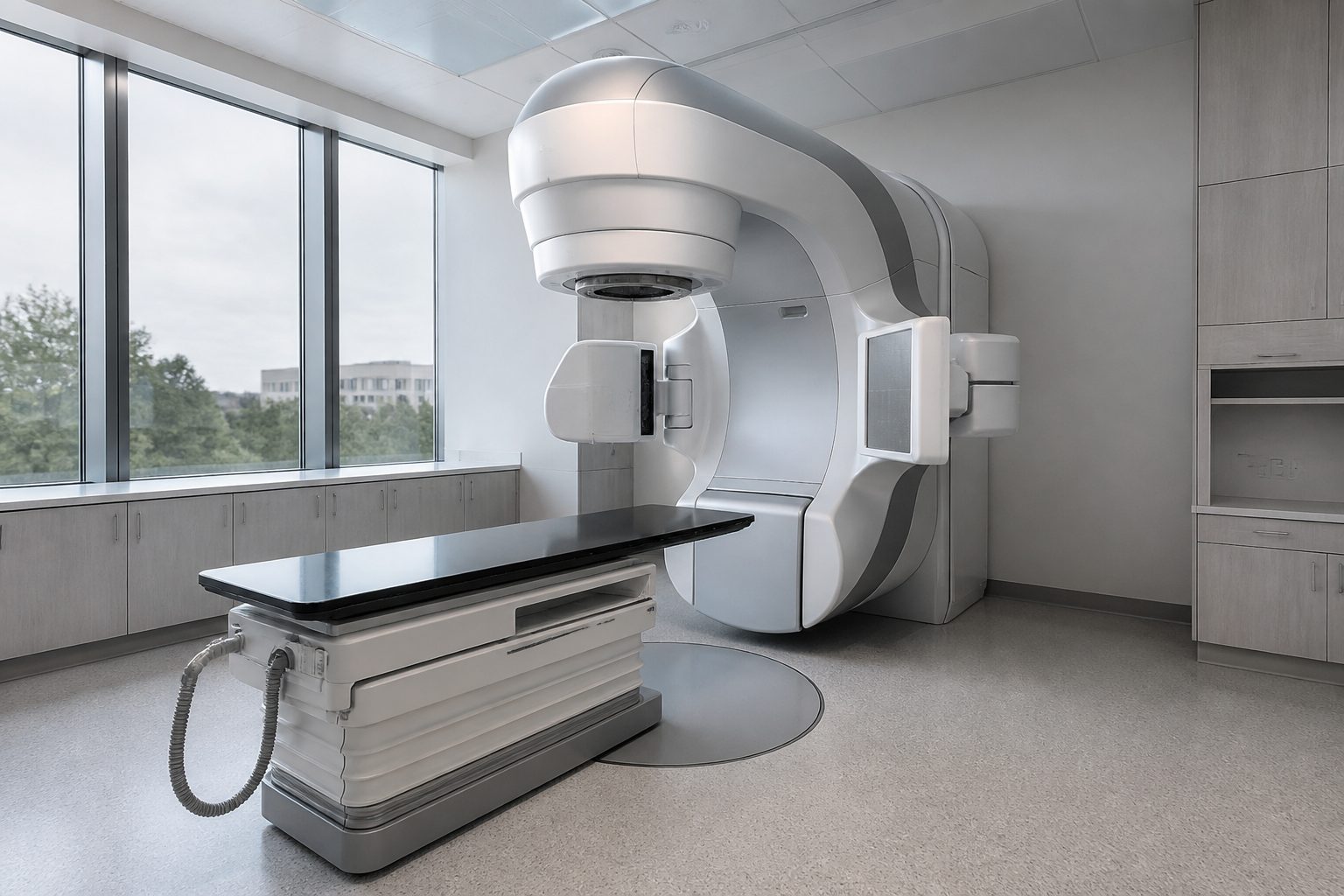
This guide compares the full cost of radiation therapy for cancer in India, the USA, and Turkey. It is for patients and families considering treatment abroad, especially those seeking savings or access to advanced technology at leading cancer centres.
Typical total costs for a course of external beam radiation therapy start at $2,500-$6,000 (₹2-5 lakh) in India, $7,000-$18,000 (₺225-580K) in Turkey, and $30,000-$50,000 or more in the USA. These ranges depend on cancer type, number of sessions, technology used, and hospital choice.
How much does radiation therapy cost in India, the USA, and Turkey?
Radiation therapy is a highly specialised, multi-week cancer treatment that can involve significant costs. The price you pay depends on the type of cancer, whether you need advanced techniques (IMRT, IGRT, proton therapy), the number of sessions, and where you receive care. Below, we break down typical costs, what’s included, and how they compare across India, the USA, and Turkey.
In India, radiation therapy is offered at leading cancer centres in cities such as Mumbai, Delhi, Bangalore, and Chennai. Costs are significantly lower than in Western countries, even at JCI or NABH-accredited hospitals. Turkey is a destination for patients from Eastern Europe and the Middle East, with modern hospitals and experienced oncologists. The USA has the widest range of technology and cancer subspecialties, but also the highest prices.
What is included in the price of radiation therapy?
The total price of radiation therapy is usually a bundled sum composed of several essential components, but the specifics can differ by country and hospital policy. Understanding exactly what you are paying for is crucial, especially when comparing costs between India, the USA, and Turkey.
- Initial oncology consultation and treatment planning: This phase includes your first meeting with the oncology team, simulation sessions, and detailed imaging (CT, MRI) to map the tumor. Dosimetry planning, where the radiation dose and angles are calculated by a physicist, is also part of this stage. In India and Turkey, these are often included in the base price, while in the USA, they might be billed separately.
- Daily treatment sessions: The majority of the cost covers the actual delivery of radiation, using linear accelerators or other machines. This includes the expertise of technicians and nursing staff. The number of sessions (fractions) varies by cancer type and protocol, affecting the total price. In India, a standard 25–30 session course may be $2,500–$6,000, while in the USA, it could be $15,000–$40,000, and in Turkey, typically $5,000–$12,000.
- Medical physicist and radiation oncologist oversight: Ongoing monitoring and adjustments by the medical physicist and radiation oncologist are essential for safety and effectiveness. This professional oversight is generally included in all three countries, but sometimes billed separately in the USA.
- Follow-up appointments: During and after treatment, follow-up visits are necessary to monitor side effects and assess response. Some hospitals offer a fixed number of post-treatment check-ups within the package, while others charge per visit. In India and Turkey, a few follow-ups are often included; in the USA, these are frequently billed as extra consultations.
Be aware that advanced technology (IMRT, IGRT, VMAT, proton therapy) may incur additional fees, and not all hospitals have these options. Special immobilisation devices, chemotherapy, or surgery are almost always extra. Always ask for a breakdown of what is included in the quoted price, and clarify if there are any separate charges for planning, imaging, or follow-up care. This will help you avoid unexpected expenses and ensure you receive the full range of necessary services.
Cost comparison table: India, Turkey, and the USA
| Country | Typical cost (USD) | Local currency | What’s included |
|---|---|---|---|
| India | $2,500-$6,000 | ₹2-5 lakh | Consultation, planning, 20-35 sessions, follow-up (standard external beam) |
| Turkey | $7,000-$18,000 | ₺225,000-580,000 | Consultation, planning, 25-35 sessions, follow-up (standard external beam) |
| USA | $30,000-$50,000+ | USD | Consultation, planning, 25-35 sessions, follow-up (standard external beam) |
| India (IMRT/IGRT) | $4,000-$10,000 | ₹3.3-8.3 lakh | Advanced technique, planning, sessions, follow-up |
| Turkey (IMRT/IGRT) | $12,000-$25,000 | ₺385,000-803,000 | Advanced technique, planning, sessions, follow-up |
| USA (IMRT/IGRT) | $45,000-$80,000+ | USD | Advanced technique, planning, sessions, follow-up |
| India (Proton therapy) | $20,000-$30,000 | ₹16.6-25 lakh | Proton therapy, planning, sessions, follow-up |
| USA (Proton therapy) | $70,000-$120,000+ | USD | Proton therapy, planning, sessions, follow-up |
What drives the price of radiation therapy?
Several key factors affect the total price of radiation therapy:
- Type of technology: Standard external beam therapy is less expensive than IMRT, IGRT, or proton therapy, which require more advanced machines and planning.
- Number of sessions: Most courses last 20-35 sessions over 4-7 weeks. Shorter or longer regimens change the cost.
- Hospital reputation: Top-tier cancer centres and JCI-accredited hospitals may charge more, but often offer greater experience and safety.
- Location: Costs are generally lower in India and Turkey than in the USA, due to differences in staff salaries, insurance, and equipment costs.
- Additional treatments: If chemotherapy, surgery, or immunotherapy are needed alongside radiation, the total package price will be higher.
Other influences include the need for special imaging, anaesthesia (for paediatric or difficult cases), and the complexity of treatment planning.
Best centres for radiation therapy in India, Turkey, and the USA
Many hospitals in India, Turkey, and the USA offer world-class radiation oncology services. In India, top cancer centres include Tata Memorial Hospital (Mumbai), Apollo Hospitals (Chennai, Delhi, Hyderabad), Fortis Memorial Research Institute (Gurgaon), and Max Super Speciality Hospitals (Delhi NCR). These centres typically have the latest linear accelerators and offer IMRT/IGRT and, in a few cases, proton therapy.
Turkey’s leading hospitals for international patients include Anadolu Medical Center (Gebze/Istanbul), Acibadem Hospitals (Istanbul, Ankara), and Memorial Hospitals (Istanbul). These facilities are JCI-accredited and have English-speaking oncology teams.
In the USA, major cancer centres such as MD Anderson (Houston), Memorial Sloan Kettering (New York), and Mayo Clinic (Rochester) are internationally recognised, but their prices are much higher. Some US community and academic hospitals also treat international patients, but insurance coverage and payment requirements differ.
Hidden costs and what is not included
When evaluating the price of radiation therapy in India, the USA, or Turkey, it is crucial to look beyond the headline figure. Many hospitals and clinics provide an initial quote that does not reflect all the expenses you may incur. Understanding these hidden costs can help prevent unpleasant financial surprises and allow for better budgeting.
- Pre-treatment tests: Essential diagnostic procedures such as biopsies, PET-CT scans, MRI, and comprehensive blood work are often not bundled with the main treatment cost. In India, pre-treatment imaging can add $200–$800, while in the USA, it may be several thousand dollars. Turkey’s costs tend to fall between these ranges.
- Hospitalisation: Although standard external beam therapy is usually done on an outpatient basis, certain types (like brachytherapy or complications) may require overnight stays. In the USA, even a single night in hospital can cost upwards of $2,000, compared to $100–$400 in India or Turkey.
- Medications: Pain relief, anti-nausea drugs, and steroids are typically prescribed during therapy. These are rarely included in the base price. In India, generic drugs are affordable ($10–$50 per month), while in the USA, branded medications can cost much more. Turkey also offers moderate prices, but always check if medications are included.
- Supportive care: Services like dietary counseling, physiotherapy, and psychological support are vital for many patients but are often extra. Some hospitals in India and Turkey offer package deals, but in the USA, these are usually charged separately.
- Accommodation and travel: For international patients, costs for hotels, meals, local transportation, and flights can rival or exceed the treatment price, especially in the USA. Some Indian and Turkish hospitals offer discounted guest housing or assist with logistics, but this is rarely included in the treatment quote.
Advanced procedures such as proton therapy, brachytherapy, or stereotactic radiosurgery (SRS/SBRT) are usually priced separately and can be significantly more expensive. Always request a detailed, itemized written quote from your chosen center. Insist on clarity regarding what is included and excluded, and ask for estimates of any likely out-of-pocket expenses. This is particularly important if you are comparing centers across countries, as inclusions and exclusions can vary widely.
How to save money on radiation therapy abroad
Reducing the cost of radiation therapy abroad is possible with careful planning and smart choices, without compromising your safety or treatment quality. Here are practical steps and country-specific tips for India, the USA, and Turkey:
- Choose cost-effective countries: India and Turkey are well-known for their affordable, high-quality cancer care. Hospitals in these countries often offer international patient coordinators, English-speaking staff, and comprehensive packages at a fraction of US prices.
- Request all-inclusive packages: Ask for a fixed-price package that covers consultation, imaging, planning, treatment sessions, and follow-up. This helps avoid unexpected add-on charges. In India and Turkey, many centers offer such deals, while in the USA, costs are usually itemized and higher.
- Explore financial support: Check if you are eligible for government subsidies, charity grants, or special rates for international patients. Some Indian hospitals have partnerships with NGOs or offer discounts for patients from low-income countries. In Turkey, ask about social security agreements or hospital-sponsored discounts. US hospitals rarely offer such concessions, but it is still worth asking.
- Book accommodation wisely: Stay near the hospital to save on daily transport costs. In India and Turkey, look for hospital guesthouses or discounted hotel rates. In the USA, consider Ronald McDonald House or similar programs if traveling with family.
- Travel off-peak: Airfares and hotel rates are lower outside major holiday seasons. Flexible travel dates can yield significant savings, especially for long-term stays.
Additional tips: Bring all your medical records to avoid repeat tests, and clarify if extra procedures (like brachytherapy or advanced imaging) will cost more. Always verify the hospital’s accreditation and the experience of their oncology team. While saving money is important, never compromise on the quality or safety of your treatment. Prioritize centers with a strong reputation and transparent pricing for the best balance of cost and care.
What to ask before choosing a centre
Before selecting a hospital or clinic for radiation therapy, especially if you are considering treatment abroad, it is critical to ask detailed questions to ensure safety, quality, and value for money. Here are some essential queries and practical steps to guide your decision:
- Accreditation: Confirm that the hospital is accredited by recognized bodies such as Joint Commission International (JCI), National Accreditation Board for Hospitals (NABH) in India, or the relevant national authority in Turkey or the USA. Accreditation ensures adherence to international safety and quality standards.
- Radiation technology: Ask about the type and age of linear accelerators or other radiation equipment in use. Advanced technologies (IMRT, IGRT, VMAT, proton therapy) can improve outcomes and reduce side effects, but may cost more. Inquire if the center offers the technology most suited to your cancer type.
- Experience and caseload: Request data on how many cases similar to yours the center treats each year. High-volume centers in India’s major cities and leading US and Turkish hospitals typically have more experience with complex cases, which can translate to better outcomes.
- Detailed cost breakdown: Insist on a comprehensive written quote that specifies what is included (consultations, planning, sessions, follow-ups) and what is excluded (medications, accommodation, extra imaging). This is essential for accurate cost comparison between centers and countries.
- International patient services: If you are traveling from abroad, check if there is a dedicated coordinator to assist with visas, airport transfers, translation, and logistics. Many Indian and Turkish hospitals have established international departments, while US hospitals may charge extra for such services.
- Aftercare and follow-up: Understand what aftercare is provided, both during and after your treatment. Ask about the frequency and format of follow-up visits, and whether remote consultations are possible once you return home.
- Meet the team: Ask if you can have a pre-treatment meeting (virtual or in-person) with your radiation oncologist and physics team. This helps build trust and allows you to clarify any doubts about the treatment plan.
Always request all information and cost breakdowns in writing. Bring your complete medical records, including pathology reports and previous imaging, for a thorough assessment. This will help the team design an optimal treatment plan and give you a realistic estimate of time, cost, and expected outcomes. Taking these steps ensures you make an informed choice and avoid hidden pitfalls.
Planning your stay: logistics for international patients
Organizing your stay for radiation therapy abroad requires careful logistical planning, as treatments typically involve daily hospital visits over several weeks. Here are key factors to consider for India, the USA, and Turkey:
Arrival and preparation
Plan to arrive at least 3–5 days before your first treatment session. This allows time for initial consultations, pre-treatment imaging (CT/MRI), and simulation sessions. In major Indian and Turkish cities, hospitals often assist with airport pickups and provide visa invitation letters. US hospitals may offer similar services, but often at an extra charge.
Accommodation and proximity
Choose accommodation close to the hospital to minimize daily travel time and fatigue. Many Indian and Turkish hospitals have partnerships with nearby hotels or guesthouses, sometimes offering discounted rates for patients and families. In the USA, accommodation costs can be high, so budget accordingly or look for hospital-affiliated lodging programs.
Daily living expenses
Budget for meals, local transport, laundry, and incidentals. In India and Turkey, daily living costs are generally lower than in the USA, but expenses can add up over a 4–6 week stay. Some hospitals provide meal services or patient lounges, but most patients arrange their own food and transport.
Documentation and records
Bring all relevant medical records, including pathology slides, imaging discs, and previous treatment summaries. Having your documents in order speeds up the assessment and planning process, reducing delays.
Aftercare and departure
Most patients can travel home within a few days of completing radiation therapy. However, if you require chemotherapy, surgery, or have complications, your stay may be extended. Discuss the schedule for post-treatment check-ups and remote follow-up with your oncologist before leaving. Some hospitals offer telemedicine follow-ups, which can be especially helpful for international patients.
Proper planning and clear communication with your treatment center will help ensure a smooth experience and minimize stress during your stay abroad.
Frequently asked questions
How long does a typical course of radiation therapy last?
Most external beam radiation therapy regimens last 4 to 7 weeks, with daily sessions (Monday to Friday). Each session takes 10-30 minutes. The total duration may be shorter for some cancers or with hypofractionated protocols. Your oncologist will determine the best schedule based on your diagnosis.
Is it safe to travel for radiation therapy?
Many international patients safely travel for radiation therapy, especially to centres in India and Turkey with established international departments. Choose hospitals with strong infection control, language support, and experience managing overseas patients. Always consult your doctor before making travel arrangements.
What documents do I need to bring for treatment abroad?
Bring all relevant medical records, pathology reports, imaging (CT, MRI, PET scans), previous treatment summaries, and a referral letter if available. Hospitals may also require passport copies, visa documents, and insurance details if applicable.
Does insurance cover radiation therapy overseas?
Most domestic insurance plans do not cover treatment abroad, except for emergencies or special policies. Some international health insurers may reimburse part of the cost. Always check with your insurer before committing and ask the hospital about direct billing or payment requirements.
Can I combine radiation with other cancer treatments?
Radiation therapy is often combined with chemotherapy, surgery, or immunotherapy, depending on the cancer type and stage. Discuss with your oncology team if you need a multi-modality approach and whether these other treatments can be coordinated at your chosen hospital.
Related guides
Disclaimer: The prices and information above are indicative and may vary by hospital, case complexity, and technology used. Patients should obtain a detailed written quote and consult a qualified oncologist before making any treatment decisions.