
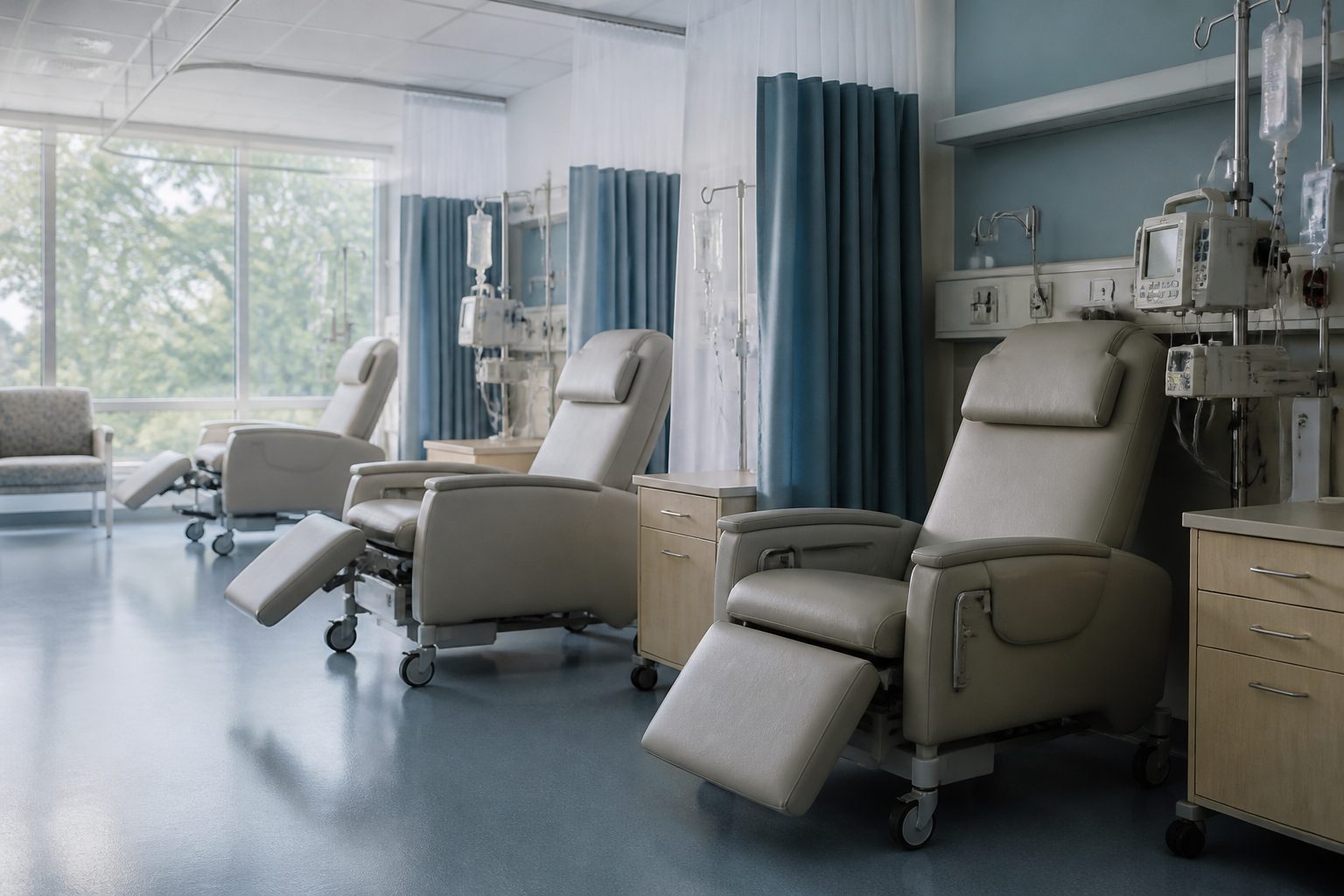
This guide is for patients and families considering cancer treatment in Asia’s leading hospitals. The hospitals listed here are recognised centres for serious and long-term oncology care, offering advanced therapies and international patient services.
Indicative costs for a full course of treatment at these centres range from $2,000 at some Indian and Pakistani public hospitals, to $60,000 at top-tier private hospitals in Hong Kong. These figures cover common cancers (such as breast, colorectal, or lung) and standard treatments (surgery, chemotherapy, radiotherapy) but may vary with diagnosis, stage, and chosen therapies.
How we chose these
The 20 hospitals below were selected for their specialty in cancer care, treatment volume, research activity, international accreditations where known, transparency in pricing, and the strength of their international patient programs. Centres range from high-volume public research hospitals to private facilities with advanced technology, reflecting the diversity of cancer care across Asia.
1. National Cancer Center Hospital, Tokyo
Known for its comprehensive approach to cancer care, National Cancer Center Hospital in Tokyo is a leader in oncology research and advanced therapies. The hospital serves a large number of international patients, offering multidisciplinary teams and the latest treatment protocols. Its reputation for clinical trials and precision medicine makes it suitable for complex or rare cancers, as well as patients seeking innovative care.
International patients should expect language support services and assistance with medical visas. The cost reflects Japan’s high standard of care and advanced technology.
Indicative cost: $10,000-$30,000
2. Tata Memorial Hospital, Mumbai
Tata Memorial Hospital is India’s foremost cancer centre, offering affordable, evidence-based treatment and a wide range of surgical and medical oncology services. It is especially well-suited for patients from South Asia seeking high-quality care at accessible prices. The hospital is a leader in research and education, with a robust charity program for those unable to pay.
International patients benefit from established support services and a large English-speaking staff. Waiting times can be longer than at private hospitals.
Indicative cost: $2,000-$8,000
3. Fudan University Shanghai Cancer Center, Shanghai
Fudan University Shanghai Cancer Center is one of China’s top oncology hospitals, known for its depth of specialties and advanced diagnostic and treatment options. The hospital handles a high patient volume and is a hub for clinical research, making it suitable for both common and rare cancers.
International patients will find English-speaking coordinators and streamlined admission processes. Costs are moderate compared to private hospitals in the region.
Indicative cost: $8,000-$25,000
4. National Cancer Centre Singapore, Singapore
This centre is highly respected for comprehensive cancer care, multidisciplinary teams, and access to clinical trials. National Cancer Centre Singapore is frequently chosen by patients from Southeast Asia and beyond for its high standards of safety and quality. The hospital is accredited and offers a full range of medical and surgical oncology services.
International patients can expect efficient coordination, English-speaking staff, and transparent billing. Singapore’s healthcare costs are higher but reflect advanced care and infrastructure.
Indicative cost: $15,000-$40,000
5. Samsung Medical Center, Seoul
Samsung Medical Center is recognised for its advanced cancer therapies, including targeted treatments and minimally invasive surgery. It is a popular choice for international patients seeking cutting-edge technology and comprehensive cancer services in Korea.
The hospital provides robust support for overseas patients, including translation and travel assistance. Costs are higher than public hospitals but reflect the level of innovation and facilities.
Indicative cost: $12,000-$35,000
6. Asan Medical Center, Seoul
Asan Medical Center is one of South Korea’s largest hospitals, with a reputation for high-volume cancer surgeries and ongoing research. The centre is well-suited for patients requiring complex surgical interventions and multidisciplinary care.
International patients can expect coordinated care and support with logistics. The hospital is equipped for a wide range of cancers and offers modern facilities.
Indicative cost: $10,000-$30,000
7. Seoul National University Hospital Cancer Center, Seoul
This hospital is known for its comprehensive oncology services, including surgery, chemotherapy, and radiotherapy. Seoul National University Hospital Cancer Center is part of a major teaching institution, offering access to the latest research and clinical protocols.
International patients benefit from dedicated coordinators and English-speaking staff. Costs are competitive for the level of care provided.
Indicative cost: $10,000-$28,000
8. Sun Yat-sen University Cancer Center, Guangzhou
Sun Yat-sen University Cancer Center is a leading oncology hospital in southern China, known for its breadth of services and research contributions. It handles a large volume of cases and is well-positioned for both standard and experimental therapies.
International patients can access translation and logistical support. Costs are generally lower than in Hong Kong or Singapore.
Indicative cost: $7,000-$20,000
9. King Hussein Cancer Center, Amman
King Hussein Cancer Center is the Middle East’s top comprehensive cancer hospital, offering advanced treatments and supportive care. The centre has extensive experience with international patients from the region and beyond.
Support services include visa assistance and translators. The hospital’s integrated approach and focus on patient experience make it a strong choice for complex cases.
Indicative cost: $8,000-$25,000
10. Hong Kong Sanatorium & Hospital Oncology Centre, Hong Kong
This private centre is known for advanced cancer treatments, including precision radiotherapy and immunotherapy. Hong Kong Sanatorium & Hospital Oncology Centre serves both local and international patients seeking high-end private care.
Patients can expect modern facilities, English-speaking staff, and personalised attention. Costs are among the highest in Asia, reflecting the private sector and technology used.
Indicative cost: $20,000-$60,000
11. Siriraj Hospital, Bangkok
Siriraj Hospital is Thailand’s oldest and largest hospital, offering major oncology services. It is well-equipped for a range of cancer treatments, including surgery, chemotherapy, and radiotherapy, at moderate prices.
International patients benefit from established medical tourism support and English-language services. Waiting times can vary depending on the department.
Indicative cost: $5,000-$18,000
12. Apollo Cancer Centre, Chennai
Apollo Cancer Centre is part of the Apollo Hospitals group, known for comprehensive oncology, bone marrow transplants, and advanced diagnostics. It attracts patients from across India and abroad for its blend of quality and affordability.
International patients receive assistance with travel, accommodation, and treatment planning. The centre is suited for both routine and complex cases.
Indicative cost: $3,000-$12,000
13. Chulabhorn Hospital, Bangkok
Chulabhorn Hospital is a major centre for cancer research and treatment in Thailand, offering a broad range of therapies and clinical trials. It is recognised for its expertise in both common and rare cancers.
International patients have access to support services and modern facilities. Costs are moderate compared to private hospitals in the region.
Indicative cost: $6,000-$20,000
14. Chang Gung Memorial Hospital, Taoyuan
Chang Gung Memorial Hospital is a high-volume centre for cancer surgery in Taiwan. It is known for its expertise in complex surgical oncology, including head and neck, gastrointestinal, and liver cancers.
International patients are supported by multilingual staff and a dedicated international medical service. Costs are competitive for the region’s standards.
Indicative cost: $8,000-$22,000
15. Beijing Cancer Hospital, Beijing
Beijing Cancer Hospital is a leading centre for comprehensive cancer care and research in China. The hospital offers a wide range of treatment options and is involved in cutting-edge clinical trials.
International patients receive support with documentation and language assistance. Costs reflect the hospital’s advanced capabilities and research focus.
Indicative cost: $9,000-$27,000
16. Aga Khan University Hospital, Karachi
Aga Khan University Hospital is Pakistan’s leading cancer hospital, providing a full spectrum of oncology services. It is known for quality care, research, and its role in training oncologists in the region.
International and regional patients benefit from English-speaking staff and transparent billing. Costs are lower than many private hospitals in Asia.
Indicative cost: $4,000-$15,000
17. Prince Court Medical Centre, Kuala Lumpur
Prince Court Medical Centre is a private Malaysian hospital with advanced oncology and supportive care. It is popular with Southeast Asian and Middle Eastern patients seeking personalised service and modern facilities.
International patients are supported by a dedicated team for travel, accommodation, and translation. Costs are moderate to high for the region.
Indicative cost: $7,000-$20,000
18. Shaukat Khanum Memorial Cancer Hospital, Lahore
Shaukat Khanum Memorial Cancer Hospital is a comprehensive cancer centre in Pakistan, operating on a charity model that ensures access for patients regardless of ability to pay. It offers quality care and a wide range of treatments.
International and regional patients can access English-speaking staff and transparent pricing. Waiting times may be longer due to high demand and charity work.
Indicative cost: $2,000-$8,000
19. National Cancer Institute (NCI) Malaysia, Putrajaya
NCI Malaysia is a government-run centre focused on cancer care and research. It offers affordable treatment to both local and international patients, with comprehensive oncology services and a focus on evidence-based care.
International patients benefit from English-language support and government-level pricing. Facilities are modern, but waiting times may vary.
Indicative cost: $3,000-$10,000
20. The Cancer Institute (WIA), Chennai
The Cancer Institute (WIA) is one of India’s pioneering cancer centres, with a long history of research and patient care. It is known for its affordable, evidence-based treatments and community outreach.
International patients will find English-speaking staff and support for logistics. Costs are among the lowest in Asia for high-quality cancer care.
Indicative cost: $2,000-$7,000
| Rank | Hospital | City | Known for | Indicative cost |
|---|---|---|---|---|
| 1 | National Cancer Center Hospital | Tokyo | Comprehensive cancer care and advanced research | $10,000-$30,000 |
| 2 | Tata Memorial Hospital | Mumbai | Leading cancer treatment and research in India | $2,000-$8,000 |
| 3 | Fudan University Shanghai Cancer Center | Shanghai | Top oncology center in China | $8,000-$25,000 |
| 4 | National Cancer Centre Singapore | Singapore | Comprehensive cancer care and clinical trials | $15,000-$40,000 |
| 5 | Samsung Medical Center | Seoul | Advanced cancer therapies and technology | $12,000-$35,000 |
| 6 | Asan Medical Center | Seoul | High-volume cancer surgeries and research | $10,000-$30,000 |
| 7 | Seoul National University Hospital Cancer Center | Seoul | Comprehensive oncology services | $10,000-$28,000 |
| 8 | Sun Yat-sen University Cancer Center | Guangzhou | Leading cancer hospital in southern China | $7,000-$20,000 |
| 9 | King Hussein Cancer Center | Amman | Comprehensive cancer care in the Middle East | $8,000-$25,000 |
| 10 | Hong Kong Sanatorium & Hospital Oncology Centre | Hong Kong | Private advanced cancer treatments | $20,000-$60,000 |
| 11 | Siriraj Hospital | Bangkok | Major cancer center in Thailand | $5,000-$18,000 |
| 12 | Apollo Cancer Centre | Chennai | Comprehensive oncology and bone marrow transplant | $3,000-$12,000 |
| 13 | Chulabhorn Hospital | Bangkok | Cancer research and treatment | $6,000-$20,000 |
| 14 | Chang Gung Memorial Hospital | Taoyuan | High-volume cancer surgeries | $8,000-$22,000 |
| 15 | Beijing Cancer Hospital | Beijing | Comprehensive cancer care and research | $9,000-$27,000 |
| 16 | Aga Khan University Hospital | Karachi | Leading cancer hospital in Pakistan | $4,000-$15,000 |
| 17 | Prince Court Medical Centre | Kuala Lumpur | Private oncology and advanced therapies | $7,000-$20,000 |
| 18 | Shaukat Khanum Memorial Cancer Hospital | Lahore | Comprehensive cancer care and charity model | $2,000-$8,000 |
| 19 | National Cancer Institute (NCI) Malaysia | Putrajaya | Government cancer center and research | $3,000-$10,000 |
| 20 | The Cancer Institute (WIA) | Chennai | Pioneering cancer care and research in India | $2,000-$7,000 |
What drives the price of cancer treatment in Asia?
The cost of cancer treatment in Asia depends on several factors: country of treatment, hospital type (public or private), type of cancer, stage at diagnosis, complexity of treatment, and technologies used. Major public hospitals in India and Pakistan offer lower costs due to government funding and charity models. Private hospitals and those in wealthier countries like Singapore, Japan, and Hong Kong charge more, reflecting their investment in advanced equipment, international accreditations, and patient amenities.
Additional costs may include pre-treatment diagnostics, hospital stays, follow-up care, and supportive therapies. Experimental treatments or participation in clinical trials can also affect costs and availability.
How to choose the right cancer centre
Choosing a hospital depends on the type of cancer, the stage, treatment preferences, and budget. Consider the hospital’s experience with your specific cancer, access to multidisciplinary teams, volume of cases, and research activity. For rare or complex cancers, centres with active clinical trials and advanced therapies may offer more options.
International patients should also consider language support, visa assistance, and the hospital’s experience with patients from abroad. Accreditation by bodies like JCI or NABH is a sign of quality, but not the only factor to weigh.
What is included in the treatment cost?
Most quoted costs cover initial diagnosis, surgery, chemotherapy, and radiotherapy for a standard course of treatment. However, they may not include pre-admission tests, second opinions, targeted therapies, immunotherapy, or advanced surgical techniques. Hospital stay length, intensive care, and post-treatment rehabilitation may also be billed separately. Always request a detailed breakdown in writing before committing.
Hidden and additional costs
Patients should budget for travel, accommodation, meals, and local transportation, particularly if treatment will last several weeks or months. There may be extra charges for pathology, imaging, special medications, or complications requiring intensive care. Some centres require upfront deposits or payment guarantees for international patients. Insurance coverage, if available, may not cover all fees, especially for private hospitals or non-resident care.
How to save safely on cancer care
Savings are possible by comparing costs across countries and hospital types, choosing public or charity-run centres, or seeking care in regions with lower living costs. However, avoid unlicensed clinics or treatments lacking scientific backing. Some hospitals offer bundled packages or discounts for self-paying international patients. Ask about payment plans, charity funds, or government programs that may reduce the financial burden.
Planning your treatment abroad
International cancer care requires careful planning. Secure all relevant medical records and reports in English. Arrange for a medical visa where required and confirm appointment dates in advance. Consider the need for an escort or family member, and check on local accommodation options near the hospital. Many centres have dedicated international patient offices to assist with logistics, but communication in advance is crucial to avoid delays.
The bottom line
Asia offers a wide spectrum of cancer care, from affordable public hospitals to internationally accredited centres with advanced therapies. Costs vary widely, but careful selection and planning can help patients find high-quality care suited to their needs and budget. Always confirm the full scope of treatment, seek a detailed cost estimate, and consult with a qualified oncologist before making decisions.
Frequently asked questions
How long does it take to start cancer treatment as an international patient?
Timelines vary by hospital and country. Private hospitals and those with dedicated international patient services can often schedule treatment within 1-3 weeks of receiving complete medical records. Public hospitals may have longer waits. Early communication and submission of documents help avoid delays.
Are the quoted costs all-inclusive?
Usually, costs quoted by hospitals cover the main treatment (surgery, chemotherapy, radiotherapy), but may not include pre-admission tests, advanced therapies, ICU stays, or complications. Always request a detailed cost breakdown and clarify what is included before proceeding.
What accreditations should I look for in an Asian cancer hospital?
International accreditations such as Joint Commission International (JCI) or local bodies such as NABH (India) and JMA (Japan) indicate a commitment to quality and safety. Accreditation is a positive sign, but also assess the hospital’s experience with your cancer and international patient support.
Can I access clinical trials or experimental treatments as an international patient?
Some top hospitals offer clinical trial participation for international patients, especially for rare or advanced cancers. Requirements include detailed medical documentation and may involve screening or waiting periods. Not all trials accept non-residents, so ask the hospital’s international office for eligibility details.
What should I bring with me for treatment abroad?
Bring all recent medical records, pathology slides, imaging (CT/MRI), a summary of past treatments, and a list of medications. Documents should be in English or translated by a certified translator. Also, carry identification, visa documents, and emergency contact information.
Related guides
Disclaimer: The costs listed are indicative and can vary based on individual cases, hospital policies, and treatment choices. Always seek a written quotation and consult a qualified doctor before making decisions about cancer care abroad.