
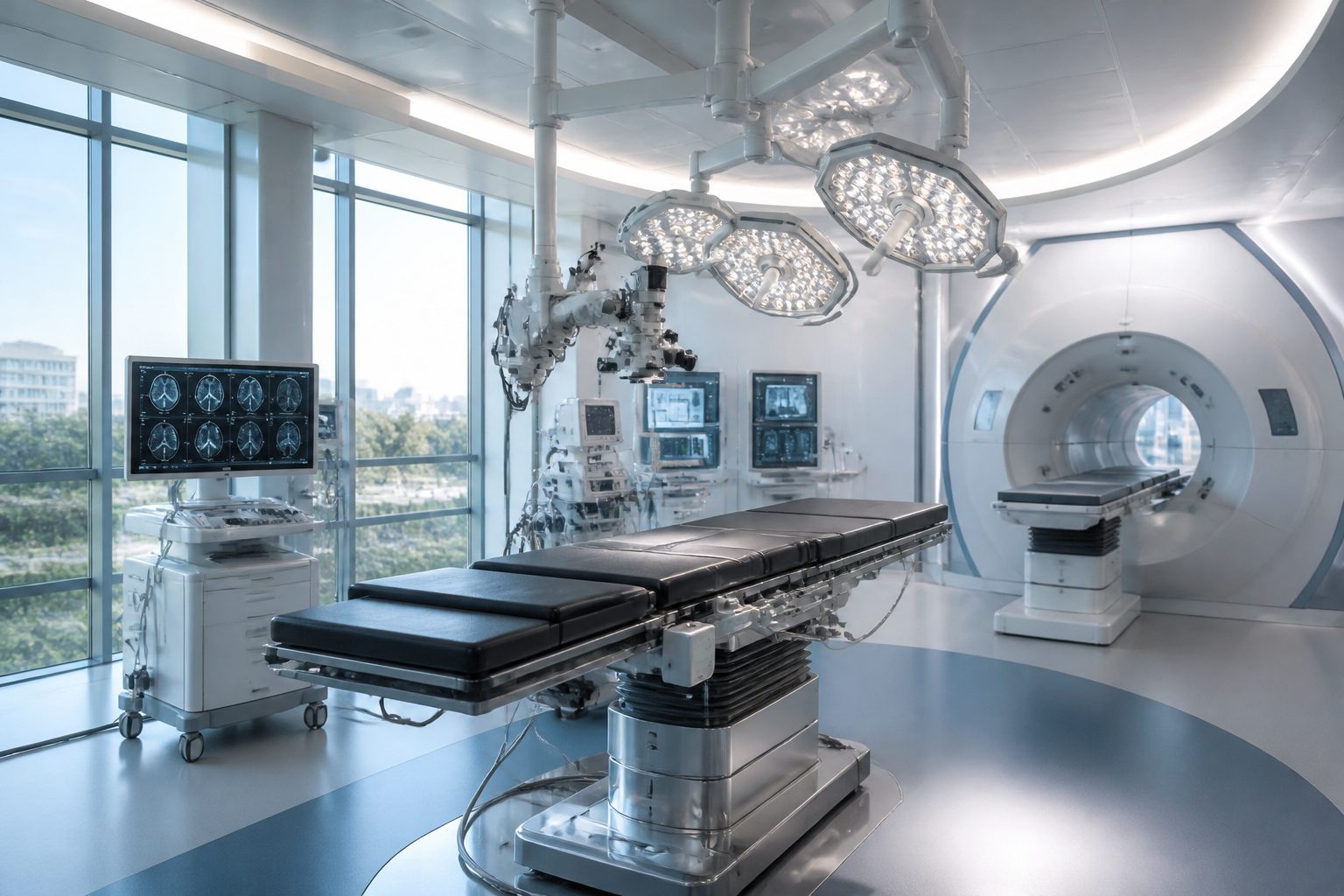
Patients seeking brain tumour surgery abroad often compare costs and care quality in Germany, India, and Turkey. This guide details what international patients can expect, from price ranges to hospital standards and practical planning tips.
Brain tumour surgery costs typically range from $7,000 (₹5.8 lakh) in India to $30,000 (€27,500) in Germany, with Turkey in between. These prices include surgery and hospital stay but may not cover all associated expenses.
What brain tumour surgery involves
Brain tumour surgery is a highly specialized and intricate procedure designed to remove abnormal growths—benign or malignant—from the brain. The primary goals are to alleviate symptoms such as headaches, seizures, and neurological deficits, prevent further brain damage, and, where possible, achieve a cure or prolong survival. The complexity and risks of the operation depend on several factors, including the tumour’s size, type (such as glioma, meningioma, or metastasis), precise location (e.g., near critical brain structures), and the patient’s overall health.
The surgical process typically begins with a comprehensive pre-operative assessment. This includes advanced imaging modalities like MRI, CT, and sometimes PET scans to map the tumour and its relationship to vital brain areas. Functional MRI or brain mapping may be used to identify regions responsible for speech, movement, or vision, reducing the risk of post-operative deficits. Blood tests and anaesthetic evaluations are also standard to assess surgical fitness.
The surgery itself is performed by a multidisciplinary team, often comprising neurosurgeons, neurologists, neuro-oncologists, radiologists, and anaesthetists. Intraoperative technologies such as neuronavigation, awake craniotomy, or intraoperative MRI may be employed, especially in advanced centres in Germany and Turkey, to maximize tumour removal while preserving function. The duration of surgery varies but often lasts several hours.
Post-operatively, patients are closely monitored in an intensive care or high-dependency unit for at least 24–48 hours. Early rehabilitation—physiotherapy, occupational therapy, and speech therapy—may begin within days, depending on the patient’s condition. Ongoing follow-up includes regular imaging to monitor for recurrence and, if necessary, adjuvant treatments like radiation or chemotherapy based on the tumour’s pathology. The entire treatment pathway involves coordinated care and clear communication between the patient, family, and medical team to optimize both immediate and long-term outcomes.
Cost comparison: Germany, India, and Turkey
Brain tumour surgery costs vary widely by country, hospital, tumour complexity, and patient needs. The table below compares typical price ranges for a standard brain tumour resection in leading centres. These prices usually include the surgeon’s fee, anaesthesia, operating theatre charges, and a standard hospital stay, but may not cover pre- or post-surgical therapies, extended ICU care, or complications.
| Country | Typical cost range (USD) | Local currency | What’s included | Not included |
|---|---|---|---|---|
| Germany | $20,000-$30,000 | €18,000-€27,500 | Surgery, standard hospital stay (7-10 days), basic imaging | Pre-op workup, rehab, extra ICU, complex imaging, pathology, travel |
| India | $7,000-$12,000 | ₹5.8-10 lakh | Surgery, 7-10 day stay, basic imaging, routine post-op care | Pre-op workup, rehab, ICU beyond standard, pathology, travel |
| Turkey | $12,000-$18,000 | ₺390,000-585,000 | Surgery, standard stay, basic imaging, routine post-op care | Pre-op workup, extended ICU, rehab, pathology, travel |
What is (and isn’t) included in the price
When evaluating the cost of brain tumour surgery in India, Turkey, or Germany, it is essential to understand precisely what the quoted price covers—and what it does not. Most advertised packages typically include the core surgical procedure, which encompasses the fees for the neurosurgeon and anaesthetist, use of the operating theatre, and standard consumables. Patients are usually provided with a regular ward or semi-private room for a set post-operative period, often ranging from 7 to 10 days. Basic laboratory tests and routine post-operative imaging (such as a CT or MRI to check for complications) are commonly included.
- Pre-operative diagnostics: Advanced imaging (functional MRI, PET scans), stereotactic biopsy, and tumour marker tests are often billed separately, especially in Germany and Turkey.
- Pathology analysis: Detailed histopathology and genetic profiling, which are critical for planning further treatment, may not be part of the initial package and can add significant costs.
- Extended ICU care: If complications arise requiring prolonged intensive care, daily ICU charges can quickly escalate, particularly in German hospitals where critical care is expensive.
- Rehabilitation: Post-operative physiotherapy, occupational therapy, and speech therapy are usually charged separately and may be needed for weeks or months after discharge.
- Adjuvant treatments: Additional therapies such as radiation, chemotherapy, or targeted drugs are not included in surgical packages and can represent a major additional expense.
- Follow-up scans and consultations: Regular imaging and specialist reviews are necessary for ongoing care and are typically not bundled into the initial quote.
- Travel and accommodation: Costs for flights, visas, local transport, and lodging for the patient and accompanying family members are always extra and can be substantial, especially for long stays in Germany or Turkey.
To avoid unexpected expenses, patients should always request a comprehensive, itemized written quote from the hospital. Ask specifically about the inclusion or exclusion of ICU care, advanced diagnostics, pathology, rehabilitation, and adjuvant therapies. Clarifying these details upfront will help you budget accurately and avoid financial surprises during your treatment journey.
Top hospitals and cancer centres
Germany, India, and Turkey each have internationally recognised hospitals for neurosurgery and neuro-oncology. Patients typically choose large academic centres or specialised cancer hospitals with high volumes of brain tumour surgeries and access to advanced imaging, navigation, and intraoperative monitoring.
- Germany: Charité – Universitätsmedizin Berlin, University Hospital Heidelberg, University Hospital Munich
- India: All India Institute of Medical Sciences (AIIMS) Delhi, Apollo Hospitals (multiple cities), Tata Memorial Hospital Mumbai, Fortis Memorial Research Institute Gurgaon
- Turkey: Acibadem Maslak Hospital Istanbul, Memorial Şişli Hospital Istanbul, Anadolu Medical Center Gebze
Many of these hospitals are accredited by international bodies such as JCI or have national accreditations (e.g., NABH in India). They offer English-speaking coordinators and international patient departments to assist with logistics and paperwork.
What drives the price difference?
The main factors affecting the cost of brain tumour surgery are:
- Hospital location and status: Academic and private hospitals in Germany have higher staff and facility costs than those in India or Turkey.
- Tumour complexity: Deep-seated or large tumours, or those near critical brain structures, require advanced equipment and longer surgery times, increasing costs.
- Surgeon expertise: Highly specialised neurosurgeons command higher fees, but may reduce complication rates and length of stay.
- Length of hospital stay: Complicated cases needing extended ICU or ward care cost more.
- Technology and infrastructure: Use of intraoperative MRI, neuronavigation, and awake craniotomy add to the price.
- Support services: Rehabilitation, oncology, and pathology services can be significant additional expenses.
How to choose a hospital and surgeon
Selecting the right hospital and neurosurgeon for brain tumour surgery is a crucial step that can significantly influence both the outcome and the overall experience. Start by researching hospitals that are internationally accredited (such as JCI or ISO) and have a dedicated neurosurgery or neuro-oncology department. High-volume centres—those performing many neurosurgical procedures annually—tend to have more experienced teams and better outcomes, particularly for complex or rare tumours.
- Experience: Look for surgeons and centres with a strong track record in brain tumour surgery. Ask about the number of cases treated annually, the types of tumours managed, and the outcomes for similar cases.
- Multidisciplinary care: The best outcomes are achieved when care is coordinated by a team of neurosurgeons, neuro-oncologists, radiologists, pathologists, and rehabilitation specialists. This is especially important for tumours near critical brain areas or for patients needing complex aftercare.
- Technology: Modern neurosurgical hospitals in Germany and Turkey often offer advanced intraoperative imaging (such as MRI or CT), neuronavigation, and awake mapping. These technologies enhance surgical precision and safety, reducing the risk of complications.
- International support: Hospitals with specialized international patient departments can streamline the process by assisting with visa applications, airport transfers, translation services, and coordinating aftercare. This support is especially valuable for non-local patients unfamiliar with the healthcare system.
- Transparency: Insist on a detailed written cost estimate that outlines all potential charges, including those for ICU care, complications, additional procedures, or extended hospital stays. This prevents unexpected financial burdens.
- Second opinions: Before committing to surgery, consider seeking a remote second opinion from a specialist, particularly if the tumour is rare or located in a challenging area. Many hospitals in India, Turkey, and Germany offer telemedicine consultations for international patients.
Ultimately, the choice should be based on a combination of clinical expertise, available technology, support services, and transparent communication. Take time to review patient testimonials, ask for references, and ensure you are comfortable with the team’s experience and approach before making a decision.
Hidden costs and how to save safely
Brain tumour surgery involves more than just the fee for the operation itself. There are numerous additional expenses that can significantly impact the total cost of treatment, especially for international patients. These hidden costs may include advanced diagnostic imaging (such as functional MRI or PET scans), which can range from $500 to $2,000 depending on the country and the complexity required. Pathology and genetic testing—essential for determining the exact tumour type and guiding post-operative therapy—can add another $300 to $1,500, with Germany typically at the higher end due to more comprehensive analyses.
- Rehabilitation is a substantial but often underestimated expense. Depending on the patient’s needs, physiotherapy, occupational therapy, and speech therapy may be required for weeks or even months. Costs can range from $1,000 to $5,000 or more, especially if inpatient rehabilitation is needed in Germany or Turkey.
- Adjuvant therapies such as radiation and chemotherapy are rarely included in the initial surgical package. Radiation therapy may cost between $2,000 and $10,000, while chemotherapy can range from $1,000 to $5,000 per cycle, depending on the drugs used and the number of cycles required.
- Travel, accommodation, and daily living expenses for both the patient and accompanying relatives can add up quickly, particularly if a longer stay is required for rehabilitation or follow-up. In Germany, living costs are typically higher, and securing affordable accommodation near top hospitals can be challenging. Budget $1,000 to $5,000+ for a stay of 2–4 weeks, with Turkey and India generally offering more affordable options.
To minimize costs safely without compromising care quality, consider the following steps:
- Request all-inclusive package deals, but clarify exactly what is included and what might incur extra charges. Ask for a written breakdown of potential additional costs.
- Choose hospitals with transparent pricing policies and English-speaking patient coordinators who can help navigate billing and logistics.
- Plan for a longer stay if rehabilitation or extended follow-up is likely, as returning home too soon may increase long-term costs or risk complications.
- Check with your health insurance provider to see if overseas treatment is partially or fully covered, especially for urgent or life-saving procedures. Some international or expatriate insurance policies may reimburse a portion of costs.
- Utilize remote second opinions or telemedicine consultations to confirm the diagnosis and treatment plan before committing to travel, potentially saving on unnecessary trips.
By proactively identifying and budgeting for these hidden costs, patients can make informed decisions, avoid financial surprises, and focus on achieving the best possible medical outcome.
Planning your trip: visas, stay, and aftercare
International patients should start planning several weeks in advance. Major hospitals in Germany, India, and Turkey help with medical visa invitations, but approval times vary (from days to several weeks). Patients are typically advised to arrive 2–3 days before surgery for pre-op assessment.
Expect a hospital stay of 7–10 days for uncomplicated cases. Complex operations or complications may require longer. After discharge, plan for 1–2 weeks in the country for early follow-up and suture removal. Some patients require rehabilitation before returning home.
Aftercare is crucial. Ask if the hospital provides remote follow-up (telemedicine), and clarify who will coordinate your care after returning home. Bring all records and imaging with you when you leave.
The bottom line
When considering brain tumour surgery abroad, India, Turkey, and Germany each present distinct advantages and cost structures that are important for international patients to weigh carefully. India is widely recognized for its affordability, with surgery costs often being a fraction of those in Western countries. This price advantage is due to lower labour costs, efficient hospital operations, and government incentives for medical tourism. Many Indian hospitals are internationally accredited, and English is commonly spoken, making communication easier for overseas patients. However, patients should ensure that the chosen centre has experience with complex neurosurgical cases and access to modern equipment.
Turkey has emerged as a popular destination for those seeking a balance between cost and advanced facilities. Turkish hospitals, especially in Istanbul and Ankara, are equipped with the latest technology, such as intraoperative MRI and neuronavigation systems. The costs here are generally higher than in India but remain significantly lower than in Western Europe or North America. Turkey also offers robust international patient departments to assist with logistics, language, and aftercare planning.
Germany is known for its cutting-edge medical technology, highly trained specialists, and rigorous safety protocols. German hospitals often provide comprehensive, multidisciplinary care, including advanced diagnostics, intraoperative monitoring, and extensive post-operative rehabilitation. These factors contribute to higher overall costs, but patients benefit from some of the best clinical outcomes in Europe. Germany is particularly suited for those prioritizing the latest treatments and a high standard of care, and for complex or rare tumour cases.
Regardless of the country, it is crucial for patients to research the hospital’s accreditation, surgeon’s experience, and the full scope of services included in the quoted price. Always request a detailed cost breakdown, clarify what is and isn’t covered, and plan for additional expenses such as travel, accommodation, and post-surgical rehabilitation. Comprehensive planning and transparent communication with the hospital will help ensure a safe and cost-effective treatment journey.
Frequently asked questions
How long is the typical hospital stay after brain tumour surgery?
Most patients stay in hospital for 7–10 days after brain tumour surgery, provided there are no complications. Cases involving complex tumours, significant swelling, or post-operative neurological deficits may require longer stays, particularly in the ICU. Always check with your chosen hospital for their standard protocols and what is included in the package.
Are the quoted prices all-inclusive?
Usually not. The quoted price generally covers the surgery, standard hospital stay, and routine post-operative care. Additional costs for pre-operative tests, pathology, extended ICU care, rehabilitation, and follow-up treatments are often billed separately. Patients should always request a detailed, itemised quote.
Is it safe to travel for brain tumour surgery?
Travel for brain tumour surgery is generally safe if the patient is stable and the hospital is experienced in treating international patients. Proper medical records, travel insurance, and a clear aftercare plan are essential. Consult your local doctor before travelling, and inform your destination hospital of any existing health conditions.
How soon can I fly home after surgery?
Most patients can fly home 2–3 weeks after surgery, depending on recovery and follow-up requirements. Those needing rehabilitation or further treatment may need to stay longer. Always confirm your fitness to fly with your treating neurosurgeon before booking return travel.
Can my family stay with me during treatment?
Most major hospitals in Germany, India, and Turkey allow one family member to stay or visit during hospitalisation, though policies vary. Some offer on-campus guest houses or discounted accommodation nearby. Check with your hospital’s international patient department for options and advance booking requirements.
Related guides
Disclaimer: Prices in this guide are indicative and vary by hospital, case complexity, and patient needs. Always obtain a written quote and consult a qualified doctor before making medical or travel decisions.