
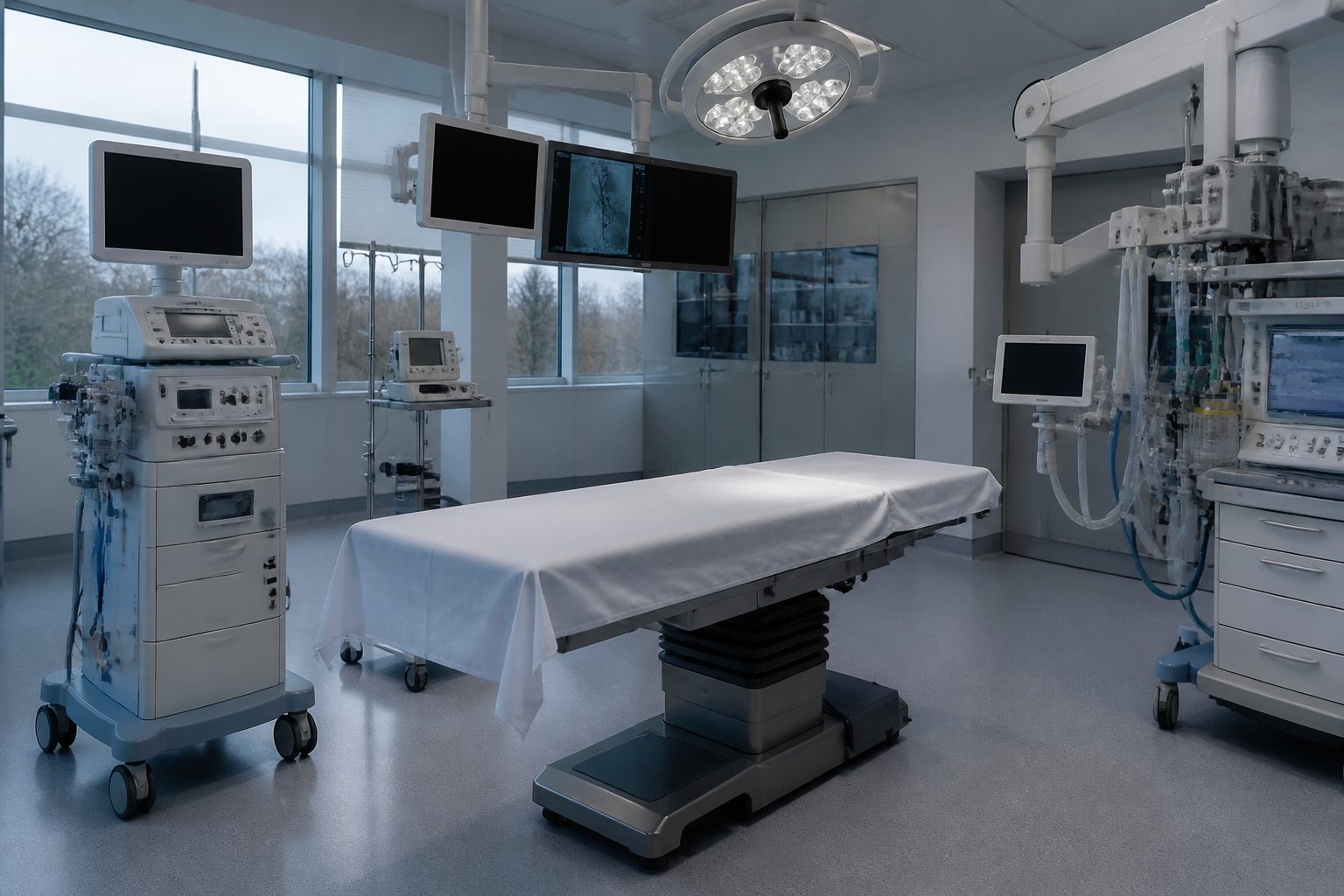
Patients considering open heart surgery abroad often compare India and Thailand for their reputation, expertise, and affordability. In both countries, the total cost for open heart surgery ranges from $5,000 to $15,000, depending on the hospital and complexity of the case.
This guide explains the price breakdown, what’s included, and how to choose a centre for serious cardiac care. It is intended for families and patients needing bypass or valve surgery, especially those seeking reliable care over the long term.
What is open heart surgery?
Open heart surgery is a broad term describing any surgical procedure in which the chest is opened to access the heart, allowing surgeons to repair or replace parts of the heart muscle, valves, arteries, or other structures. The most common type is coronary artery bypass grafting (CABG), performed to restore blood flow to the heart by bypassing blocked arteries. Other frequent procedures include valve repair or replacement (for conditions like stenosis or regurgitation) and the correction of congenital heart defects (such as atrial or ventricular septal defects).
During these operations, the patient is typically connected to a heart-lung machine (cardiopulmonary bypass), which temporarily takes over the function of the heart and lungs, allowing the surgeon to work on a still, bloodless heart. Open heart surgery is a major intervention that requires significant expertise and advanced facilities, including a dedicated cardiac intensive care unit (ICU) for post-operative monitoring and support.
Patients undergoing open heart surgery usually stay in the hospital for 7 to 10 days, although this can vary depending on the procedure and their overall health. The first few days are spent in the ICU, followed by a step-down unit or regular ward. Recovery continues after discharge, with follow-up visits, ongoing medication, and often cardiac rehabilitation to restore strength and function. Open heart surgery is a life-saving option for many, but it comes with risks such as infection, bleeding, arrhythmias, and the need for long-term lifestyle changes. Understanding the procedure, risks, and recovery requirements is crucial for patients considering surgery abroad.
Open heart surgery costs in India and Thailand
Costs in India and Thailand are significantly lower than in the US or Western Europe, but there are differences between the two countries. The quoted price often covers the surgery, surgeon and anaesthetist fees, standard hospital stay, ICU charges, medications during admission, and basic investigations. Additional costs can include pre-surgical evaluations, extra days in ICU, blood products, and post-discharge medications.
| Country | Typical cost range (CABG) | What’s usually included | Extra costs to expect |
|---|---|---|---|
| India | $5,000–$8,000 (₹4.1–6.6 lakh) | Surgery, surgeon and anaesthetist, 7–10 days hospitalisation, ICU, routine labs, medicines during stay | Pre-op tests, extra ICU days, blood, special devices, complications, post-discharge meds, follow-up |
| Thailand | $8,000–$15,000 (฿290,000–540,000) | Surgery, surgeon and anaesthetist, 7–10 days hospitalisation, ICU, routine labs, medicines during stay | Pre-op tests, extra ICU days, blood, special devices, complications, post-discharge meds, follow-up |
| United States | $60,000–$150,000 | Surgery, hospitalisation, ICU, basic follow-up | Out-of-pocket costs, extended aftercare, rehabilitation |
| United Kingdom | $30,000–$45,000 (£24,000–£36,000) | Surgery, hospitalisation, ICU, medicines, NHS/insurance coverage | Private care, self-pay, extended aftercare, rehabilitation |
Best centres for open heart surgery in India and Thailand
India and Thailand have emerged as leading destinations for open heart surgery due to their combination of internationally accredited hospitals, experienced cardiac teams, and affordability for foreign patients. In India, some of the best-known centres include Apollo Hospitals (with major branches in Delhi, Chennai, and Hyderabad), which is renowned for its cutting-edge cardiac care and has a high annual volume of complex surgeries. Fortis Escorts Heart Institute in Delhi is another top choice, celebrated for its dedicated heart care units and pioneering cardiac surgeons. Medanta – The Medicity in Gurgaon is equipped with state-of-the-art technology, offering advanced heart-lung machines and hybrid operating rooms. Narayana Health in Bangalore is recognized for its affordable care model and high surgical throughput, making it a preferred option for both domestic and international patients.
In Thailand, Bumrungrad International Hospital in Bangkok stands out for its JCI-accredited cardiac program, English-speaking staff, and seamless service for international patients. Bangkok Hospital is part of a large healthcare network, offering specialized cardiac ICUs and minimally invasive surgical options. Samitivej Sukhumvit Hospital is also a popular choice, known for its patient-centred approach and comprehensive aftercare programs.
These centres typically provide dedicated international patient coordinators who assist with visa paperwork, airport transfers, and translation services. They are equipped with advanced imaging and diagnostic facilities, and their surgical teams often include doctors trained in the US, UK, or Europe. Many hospitals offer virtual consultations, transparent billing, and assistance with accommodation for family members. Choosing a centre with a strong track record in cardiac surgery ensures access to high-quality care, advanced post-operative support, and a smoother overall experience for international patients.
What drives the price of open heart surgery?
The price for open heart surgery is mainly determined by:
- Type of procedure: CABG is usually less expensive than combined valve and bypass surgery, or surgery for congenital defects.
- Hospital tier: Top-tier private hospitals with international accreditation charge more than regional or government hospitals.
- Surgeon’s experience: Highly reputed surgeons or those with international training may have higher fees.
- Patient factors: Age, comorbidities, and previous surgeries can increase cost through longer ICU stays or more complex care.
- Implants and devices: Mechanical or tissue valves, heart-lung machine disposables, and special cardiac devices add to the bill.
- Length of stay: Complications or slow recovery can require extra days in ICU or the ward, increasing costs.
What is included and what is not
When comparing open heart surgery packages in India and Thailand, it’s essential to understand exactly what is covered in the quoted price and what may result in additional charges. Most standard packages include:
- Pre-operative assessment: This includes in-hospital tests and evaluations immediately before surgery to assess surgical risk and plan the procedure.
- Surgeon and anaesthetist fees: The professional charges for the main surgical team are typically included.
- Operation theatre and consumables: Use of the operating room, disposables, and surgical instruments are part of the base cost.
- ICU and ward stay: A set number of days (usually 5–7) in the cardiac ICU and a regular ward are included, covering basic nursing and monitoring.
- Routine post-operative investigations and medications: Standard blood tests, imaging, and medications for pain, infection prevention, and heart function are generally covered during the hospital stay.
However, the following are commonly not included in the standard package, and may lead to extra charges:
- Pre-admission consultations and investigations: Tests and specialist visits done before hospital admission are usually billed separately.
- Blood products: If the surgery requires more blood transfusions than anticipated, the extra units are charged in addition to the package.
- Specialized cardiac devices or prosthetic valves: Some valve replacements or devices (like pacemakers) may not be included in the base price and could add significantly to the total cost.
- Costs from complications or extended hospitalisation: If unexpected complications arise or the patient needs a longer ICU or ward stay, these are billed separately.
- Post-discharge care: Medications, follow-up consultations, and formal cardiac rehabilitation programs after leaving the hospital are typically not part of the package.
- Travel, visa, and accommodation: All expenses related to international travel, visa processing, and hotel or guest house stays for the patient and accompanying family members are not included.
To avoid surprises, request a detailed breakdown of what is and isn’t covered, and clarify the hospital’s policy on handling unforeseen complications or extended recovery. This helps patients budget accurately and plan their medical journey with confidence.
Hidden costs and how to avoid them
Some costs may not be obvious in the initial package quote. Patients should clarify:
- What happens if extra ICU or ward days are needed?
- Are all medications and investigations included, or only routine ones?
- Is the cost of blood, blood products, and special devices (e.g. heart valves) included?
- What are the fees for doctor follow-up, physiotherapy, or cardiac rehabilitation?
- What is the refund policy if surgery is postponed or cancelled?
To avoid surprises, always request a detailed itemised quote and ask about exclusions. Consider budgeting an extra 10–20% above the quoted price for unforeseen expenses.
How to choose a centre and surgeon
Choosing the right hospital and surgeon for open heart surgery is a critical step that can significantly impact both the outcome and overall experience. Begin by verifying the hospital’s accreditation—look for international standards such as Joint Commission International (JCI) or the National Accreditation Board for Hospitals (NABH) in India, which ensure rigorous quality and safety protocols. High-volume centres that perform hundreds or thousands of cardiac surgeries annually tend to have better outcomes due to greater experience.
- Assess the hospital’s cardiac ICU: A dedicated cardiac intensive care unit with round-the-clock monitoring is essential for managing complications and ensuring smooth recovery.
- Procedure-specific expertise: Confirm that the surgical team has substantial experience with the specific procedure you require, whether it’s CABG, valve repair, or congenital defect correction. Ask for data on their success rates and complication rates.
- International patient support: Look for hospitals with a specialized international patient desk, which can assist with visas, travel arrangements, translation, and cultural needs.
- Transparent communication: Insist on clear explanations of all costs, risks, expected outcomes, and the recovery process. Request a written estimate and ask about potential extra charges.
Before making a decision, request the names and credentials of both the cardiac surgeon and the anaesthetist. Surgeons with international training, memberships in professional societies, and published research are often a good sign. Review patient feedback on independent platforms and, if possible, arrange a direct consultation (via video or in-person) to discuss your case, expectations, and any concerns. This proactive approach helps ensure you select a centre and surgeon best suited to your needs and maximizes your chances of a successful outcome.
Planning your trip for open heart surgery
Travel for open heart surgery requires careful planning:
- Visa: Most patients use a medical visa. Check requirements and processing times for India or Thailand.
- Pre-travel tests: Some hospitals require recent lab results or cardiac imaging before arrival.
- Travel companions: It is strongly advised to have a family member or friend accompany the patient.
- Length of stay: Plan for 2–3 weeks in-country, allowing for pre-op workup, surgery, and early recovery.
- Accommodation: International hospitals often have partner hotels or guest houses nearby.
- Language and communication: Most major centres have English-speaking staff and interpreters for common Asian and Middle Eastern languages.
- Payment: Hospitals typically require advance payment for the surgery package, with top-ups if the stay is extended.
How to save on open heart surgery abroad
To manage costs safely, consider:
- Comparing package quotes from at least two hospitals
- Choosing a standard (not luxury) room
- Asking for all-inclusive packages with clear exclusions
- Arranging your own accommodation for family, rather than using hospital guest rooms
- Travelling during off-peak seasons when flights and hotels are less expensive
- Verifying if your insurance (if any) provides partial reimbursement for overseas care
Do not compromise on ICU care or post-op monitoring simply to save on costs. Always prioritise the hospital’s experience and safety record over price alone.
Bottom line: Is it worth it?
For most international patients, opting for open heart surgery in India or Thailand can be highly cost-effective without compromising on quality. The total cost of surgery in these countries is often 60-80% less than in Western nations, with typical prices ranging from $5,000 to $12,000 USD depending on the complexity of the procedure and the hospital chosen. Both countries have invested heavily in healthcare infrastructure, and leading cardiac centres are equipped with modern technology, internationally trained surgeons, and comprehensive patient safety protocols.
India generally offers lower prices, making it especially attractive for patients with limited insurance or those seeking value for money. Thailand, on the other hand, is famous for its exceptional patient comfort, hospitality, and streamlined international patient services—attributes that can make the overall experience less stressful, especially for those travelling with family or needing additional support.
However, the true value lies in careful planning. Patients should thoroughly research hospitals, confirm international accreditation (such as JCI or NABH), and ensure the facility has a proven record in handling complex cardiac cases. It is crucial to request a detailed cost estimate in advance, including potential charges for complications or extended stays, and to understand what is and isn’t covered in the package. Planning for a safe recovery period, possibly including a local stay for follow-up before returning home, is also essential. When these steps are followed, open heart surgery in India or Thailand can offer not only significant savings but also peace of mind and high-quality outcomes.
Frequently asked questions
How long is the hospital stay after open heart surgery?
Most patients stay in hospital for 7 to 10 days after open heart surgery. This includes 2–3 days in the ICU and the remainder in a step-down cardiac ward. Some may require longer stays if complications arise.
Can follow-up care be done in my home country?
Basic follow-up such as wound checks and medication adjustments can be done at home. However, complex post-surgical issues or complications may need input from the original surgical team, so keep records and stay in touch with your hospital abroad.
Is it safe to travel by air after open heart surgery?
Most patients can fly home 2–3 weeks after surgery, once medically cleared by their surgeon. Airlines may require a fit-to-fly certificate. Always discuss your travel plans with your treating team before booking flights.
What is the success rate for open heart surgery in India and Thailand?
Both countries have experienced cardiac surgeons and modern facilities. While precise success rates vary by hospital and patient factors, outcomes at major centres are comparable to international standards for routine cases.
Does insurance cover open heart surgery abroad?
Some international health insurance plans may reimburse part of the cost, but most require pre-approval and detailed documentation. Check with your insurer before committing to treatment abroad.
Related guides
Disclaimer: Prices are indicative and vary by hospital, surgeon, and individual case. Always request a written quote and consult a qualified doctor before making medical or financial decisions.