
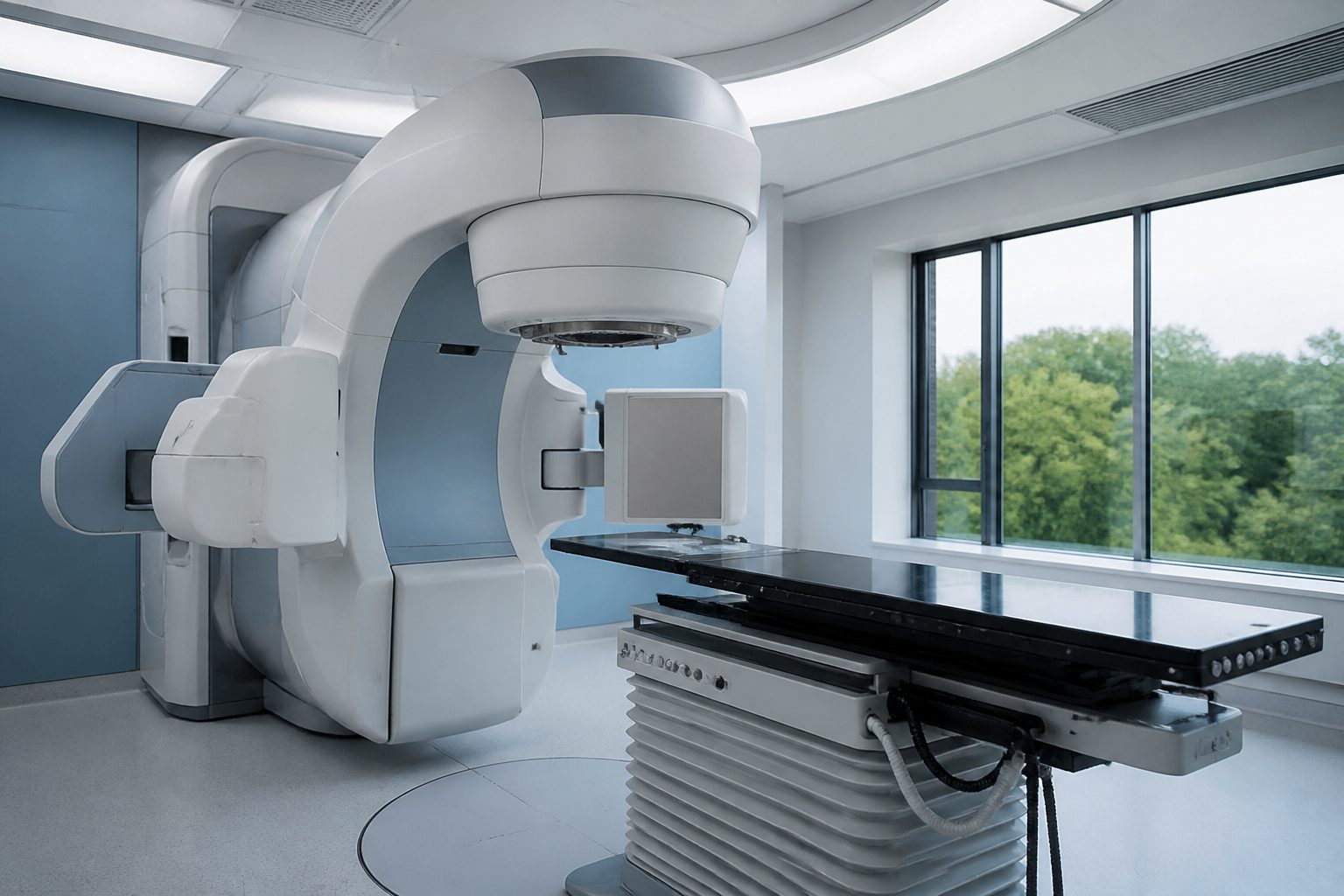
Lung cancer treatment is complex, often requiring surgery, chemotherapy, radiotherapy, and ongoing care. Costs can vary dramatically depending on the country, hospital, and specific treatments needed. For patients and families considering treatment abroad, understanding the full range of costs and what is included is essential.
This guide compares the cost of lung cancer treatment in 10 major medical destinations, explains what drives these differences, and offers practical tips for planning treatment at leading cancer centres.
Summary of lung cancer treatment costs in 10 countries
The table below compares the indicative cost of a full course of lung cancer treatment—including surgery, chemotherapy, and radiotherapy—for self-paying international patients. Prices are for non-small cell lung cancer (the most common type), assuming no major complications or extended ICU stays. All costs are in USD, with local currency equivalents where useful.
| Country | Typical cost range | What’s included | Notes |
|---|---|---|---|
| India | $5,000–$12,000 (₹4–10 lakh) | Surgery, 6 chemo cycles, 30 radiotherapy sessions | Excludes pre-tests, long ICU stays |
| Thailand | $18,000–$30,000 (฿630k–1m) | Surgery, chemo, radiotherapy, 1 week inpatient | Premium private hospitals |
| Turkey | $15,000–$28,000 (₺480k–900k) | Surgery, chemo, radiotherapy | JCI-accredited centres |
| South Korea | $25,000–$45,000 (₩33–60m) | Surgery, chemo, radiotherapy, diagnostics | Leading cancer hospitals |
| Singapore | $40,000–$70,000 (SGD 54–95k) | Surgery, chemo, radiotherapy | High-end private care |
| Germany | $45,000–$80,000 (€42–75k) | Surgery, chemo, radiotherapy, inpatient care | University hospitals |
| United Kingdom | $38,000–$70,000 (£30–55k) | Surgery, chemo, radiotherapy (private) | NHS not available to non-residents |
| United States | $70,000–$150,000 | Surgery, chemo, radiotherapy, diagnostics | Top cancer centres, uninsured rates |
| Mexico | $18,000–$35,000 (MXN 315–615k) | Surgery, chemo, radiotherapy | Private hospitals |
| UAE (Dubai/Abu Dhabi) | $30,000–$60,000 (AED 110–220k) | Surgery, chemo, radiotherapy | JCI-accredited hospitals |
What is included in the cost
The quoted package price for lung cancer treatment at most hospitals typically covers a standard set of services, but the scope and inclusiveness of these packages can vary dramatically by country and institution. Understanding exactly what is included—and what is not—is critical for budgeting and avoiding financial surprises.
- Initial consultation and diagnostic tests: Most packages begin with a comprehensive workup, including consultations with oncologists and surgeons, as well as essential imaging (CT, PET scans) and basic blood tests. In some countries, advanced molecular or genetic testing is extra.
- Surgical treatment: Surgery, such as lobectomy or pneumonectomy, is often included in the package. This covers the surgeon’s fee, anesthesia, and the operating room. However, ICU care or longer-than-expected hospital stays due to complications may be billed separately.
- Hospital stay: A standard hospital stay of 5–10 days post-surgery is usually included, but additional days—especially in the ICU—can incur extra charges. In countries like the U.S. and Singapore, each extra day can be costly; in India or Turkey, costs are lower but still add up.
- Chemotherapy: Packages may include six cycles of common chemotherapy regimens (cisplatin, carboplatin, paclitaxel, pemetrexed). However, the use of more expensive drugs, dose adjustments, or the need for additional cycles may be charged separately.
- Radiotherapy: Standard radiotherapy (25–35 sessions over 5–7 weeks) is often bundled in, but newer techniques like IMRT or proton therapy may require extra payment. Clarify the type of radiation included in your package.
- Routine follow-up visits: Most packages include basic post-surgery and post-chemotherapy follow-up appointments, but extended monitoring, management of complications, or additional imaging may be extra.
It is important to note that not all packages are comprehensive. Some hospitals—especially in the U.S., Germany, or Singapore—may quote only for the surgical portion, with chemotherapy, radiotherapy, and other therapies billed separately. Advanced treatments such as immunotherapy (e.g., pembrolizumab, nivolumab), targeted therapies, or genetic profiling are almost always extra and can add tens of thousands of dollars to the total cost. Additionally, costs for ICU stays, blood transfusions, interpreter services, and extended accommodation are rarely included in basic packages.
Always request a detailed, written estimate that specifies every component of care, and ask for clarification about what happens if complications arise or if your treatment plan changes. This level of transparency is essential for effective financial planning and peace of mind during your cancer treatment journey.
Hidden and extra costs to watch for
While headline prices for lung cancer treatment at leading hospitals may appear clear, there are many hidden or additional costs that can catch patients and families off guard, especially when seeking care internationally. These extra expenses often vary by country and hospital, and they can significantly increase the overall cost of treatment.
- Pre-treatment workup: Comprehensive diagnostic testing is essential before starting therapy. This may include advanced imaging (such as PET-CT or MRI, which can cost several hundred to several thousand dollars depending on the country), biopsies (sometimes requiring surgical procedures), and pulmonary function tests. In the U.S. and Western Europe, these tests are often itemized separately, while in India or Thailand, some may be included in package deals.
- Unexpected ICU stays or complications: Complications such as infections, bleeding, or respiratory failure may require intensive care. ICU charges can range from $500–$5,000 per day, depending on the country and hospital. In the U.S. and Singapore, ICU stays are especially costly, while some hospitals in India or Turkey may offer more affordable rates but still add substantially to the bill.
- Immunotherapy or targeted drugs: Newer medications like pembrolizumab or osimertinib are highly effective but extremely expensive, with costs per cycle ranging from $2,000–$15,000. In the U.S. and Germany, these drugs are often billed separately and may not be included in standard packages; some countries may offer generics or biosimilars at lower prices.
- Supportive medications: These include anti-nausea drugs, growth factors to boost blood counts, antibiotics, and pain medications. While some hospitals bundle these into chemotherapy costs, others bill them separately, especially if complications arise.
- Blood transfusions: Needed for some patients during or after surgery, transfusions can cost several hundred dollars per unit, and multiple units may be required, particularly if complications occur.
- Post-discharge accommodation or rehabilitation: After hospital discharge, patients may need to stay nearby for follow-up or rehabilitation. Costs for local apartments, hotels, or rehab centers vary widely—major cities like Singapore or London are especially expensive, while options in India or Turkey are more affordable.
- Interpreter or international patient liaison services: Non-English-speaking patients often require interpreter services, which can be billed by the hour or day, and international patient coordinators may charge administrative fees.
- Travel, visas, and living expenses: These can add thousands of dollars to the total cost, especially for patients and family members traveling from abroad. Visa fees, airfare, daily living expenses, and local transportation should all be budgeted.
To avoid unpleasant surprises, patients should always request a full, itemized quote from the hospital, specifying exactly what is included and excluded. It is wise to ask for clarification on potential costs for complications, ICU stays, and extra medications. Reviewing the hospital’s financial policies, understanding refund rules, and maintaining clear communication with the billing department or international patient office are crucial steps in protecting yourself from unexpected financial burdens during lung cancer treatment abroad.
What drives the price differences?
Lung cancer treatment costs are shaped by several factors:
- Local labour and facility costs: Hospitals in India, Turkey, and Mexico offer lower prices due to lower staff and overhead costs, while Singapore, the US, and Germany are at the higher end.
- Technology and infrastructure: Centres with advanced radiotherapy (IMRT, proton therapy), robotic surgery, or comprehensive cancer genetics services may charge more.
- Physician experience: Highly specialised surgeons and oncologists, especially those trained abroad or at leading cancer institutes, may command higher fees.
- Type of treatment: Adding immunotherapy, targeted therapies, or stem cell support can increase costs dramatically—sometimes doubling the total bill.
- Hospital accreditation: JCI- or NABH-accredited hospitals often have higher prices but offer more robust quality and safety systems.
It’s also important to consider whether the hospital treats a high volume of lung cancer cases, as this is linked to better outcomes and more efficient care pathways.
How to choose a cancer centre abroad
When considering lung cancer treatment in another country, focus on the following:
- Specialisation: Choose a hospital or centre with a dedicated thoracic oncology team and a track record in lung cancer care.
- Volume: High-volume centres tend to have better outcomes and more experience managing complex cases.
- Accreditations: Look for international accreditations (JCI, NABH, ISO) as a marker of quality.
- Multidisciplinary approach: Ensure the centre offers tumour board reviews with input from surgery, medical oncology, radiology, and pathology.
- International patient services: Good centres have coordinators to help with visas, travel, accommodation, and translation.
- Clear, written quotes: Always request a full breakdown of costs and confirm what is and is not included, especially for chemotherapy and newer therapies.
Consider seeking a remote second opinion before committing to travel, especially if the diagnosis or recommended treatment plan is unclear.
How to save safely on lung cancer treatment
Reducing the cost of lung cancer treatment is important, but it must be done without compromising quality, safety, or outcomes. There are several evidence-based ways to save money while still ensuring access to world-class care, especially when considering treatment in different countries.
- Choose a country with lower labor costs: Countries like India, Turkey, and Mexico offer high-quality cancer care at a fraction of Western prices due to lower labor and facility costs. However, always verify hospital accreditation (such as JCI or NABH) and the experience of their oncology teams. In India, for example, large private hospitals in Delhi, Mumbai, or Chennai have international patient departments and treat thousands of cancer cases annually.
- Opt for a high-volume center: Hospitals that manage many lung cancer cases typically have more experienced teams and streamlined processes, which can improve outcomes and reduce costs related to complications or repeat procedures. In Turkey and Thailand, some cancer centers are known for their expertise and efficiency with international patients.
- Ask about generic medications: Many chemotherapy and supportive drugs are available as generics in countries like India and Mexico, significantly reducing costs. Request generic options for both chemotherapy and supportive medications, but ensure they are sourced from reputable manufacturers with proper quality controls.
- Bundle treatments at one hospital: Having surgery, chemotherapy, and radiotherapy at a single facility avoids duplicate charges for diagnostics, consultations, and administrative fees. Some hospitals offer comprehensive packages with built-in discounts for combined care.
- Stay in nearby accommodation: After discharge, consider staying in a nearby guesthouse or apartment rather than an expensive hospital suite, provided your medical team agrees it is safe. This is especially relevant in cities like Singapore or London, where hospital accommodation is very costly.
- Clarify ICU and complication charges: Unexpected complications can lead to significant extra costs. Always ask for a written policy on ICU rates, re-admissions, and how complications are managed financially. Some hospitals offer fixed-price packages that cover certain complications, while others do not.
Remember, the cheapest option is not always the best. Never compromise on infection control standards, surgeon experience, or the hospital’s track record to save money. Prioritize quality and safety, and seek second opinions if in doubt. By combining smart country selection, hospital research, and clear communication about pricing, you can access affordable lung cancer treatment without sacrificing the essentials of excellent care.
Planning your treatment: practical steps
Preparing for lung cancer treatment, especially if considering care abroad, requires careful organization and proactive communication. Start by gathering all your medical records—this includes recent imaging (CT, PET, or MRI scans), pathology reports from biopsies, records of previous surgeries or treatments, and a summary of your diagnosis and current health status. If your records are not in English, have them professionally translated to ensure the medical team can accurately assess your case.
- Verify hospital and doctor credentials: Ask for the qualifications, certifications, and experience of the oncology team, including surgeons, medical oncologists, and radiation oncologists. Inquire about their experience treating your specific type of lung cancer and the number of similar cases managed each year.
- Request detailed treatment plans: Ask for a proposed treatment plan outlining the recommended therapies (surgery, chemotherapy, radiotherapy, immunotherapy), expected timelines, and key milestones. Clarify whether the plan is based on international guidelines (such as NCCN or ESMO) and whether second opinions are available.
- Obtain written, itemized cost estimates: Request a formal quote that breaks down every component of care—diagnostics, surgery, hospital stay, medications, follow-up, and potential extras like ICU care or advanced drugs. Ask specifically about what is and is not included, and whether there are additional fees for complications or extended stays.
- Explore international patient support: Many hospitals offer dedicated services for international patients, such as visa assistance, airport pickup, interpreter services, and help with local accommodation. Confirm the availability and cost of these services in advance.
- Plan for logistics and length of stay: If your treatment involves surgery, chemotherapy, and radiotherapy, expect to stay in the country for at least 6–8 weeks. Some centers may allow you to return home for portions of your therapy, while others recommend staying nearby for the entire course in case of complications or the need for urgent follow-up.
In addition, consider arranging travel insurance with comprehensive medical coverage, including provisions for emergency evacuation or complications. Research local laws, visa requirements, and the availability of support networks (such as patient advocacy groups) in your destination country. By preparing thoroughly and maintaining open communication with your chosen hospital, you can minimize risks and ensure a smoother, safer treatment experience for yourself and your loved ones.
Frequently asked questions
How long does lung cancer treatment take?
A typical treatment course (surgery, chemotherapy, and radiotherapy) lasts 2–3 months, plus follow-up. Some patients require longer if complications or advanced therapies are needed.
Are cheaper hospitals safe for lung cancer treatment?
Many hospitals in lower-cost countries offer high-quality care, especially large centres with international accreditation and experienced teams. Due diligence and independent reviews are essential.
What if I need immunotherapy or targeted therapy?
These treatments are often not included in standard packages and can add $10,000–$50,000 to total costs. Ask for a separate quote and discuss the likely benefit with your oncologist.
Can I have part of my treatment at home and part abroad?
Yes, surgery or radiotherapy can be done abroad, with chemotherapy or follow-up at home. Coordination between doctors is crucial for safety and continuity of care.
How can I compare hospitals for lung cancer treatment?
Compare centres by their lung cancer caseload, staff credentials, accreditations, patient reviews, and transparency about costs and outcomes. Ask for references or testimonials from international patients.
The bottom line
Lung cancer treatment costs are highly variable across the globe, shaped by differences in health system financing, labor costs, drug pricing policies, and hospital infrastructure. Countries such as India and Turkey typically offer the lowest prices for surgery, chemotherapy, and radiotherapy, thanks to lower labor and overhead costs, government incentives for medical tourism, and the widespread availability of generic medications. For example, a full course of treatment in India may cost as little as $8,000–$15,000, while similar care in Turkey ranges from $12,000–$25,000 depending on the hospital and complexity of the case.
In contrast, the United States, Germany, and Singapore are among the most expensive countries for lung cancer care. In the U.S., uninsured patients may face bills exceeding $100,000 for surgery, chemotherapy, and radiation, with additional costs for hospital stays, ICU care, and advanced drugs. Germany and Singapore, while offering world-class facilities and expertise, also charge premium rates—often $40,000–$80,000 or more for comprehensive treatment, especially if targeted therapies or immunotherapies are required.
No matter where you seek care, prioritize reputable, high-volume cancer centers with a proven track record in lung cancer. Always obtain a detailed, written breakdown of costs before committing, and ask about the inclusion of all key elements—diagnostics, surgery, chemotherapy, radiotherapy, supportive care, and follow-up. Plan for a stay of at least several weeks, particularly if your treatment requires multimodal therapy (surgery, chemo, and radiation), and consider the need for local accommodation and support services for you and your companions.
Ultimately, quality, safety, and clear communication should weigh as heavily as price in your decision-making. A lower upfront cost is not worthwhile if it comes at the expense of expertise, infection control, or comprehensive care. Always balance financial considerations with the goal of achieving the best possible outcome for your health and future.
Related guides
Disclaimer: All prices provided are indicative and may vary by hospital, patient condition, and the specific treatment plan recommended. It is essential to request a formal written quote and consult with a qualified oncologist before making any decisions regarding lung cancer treatment abroad or at home.