
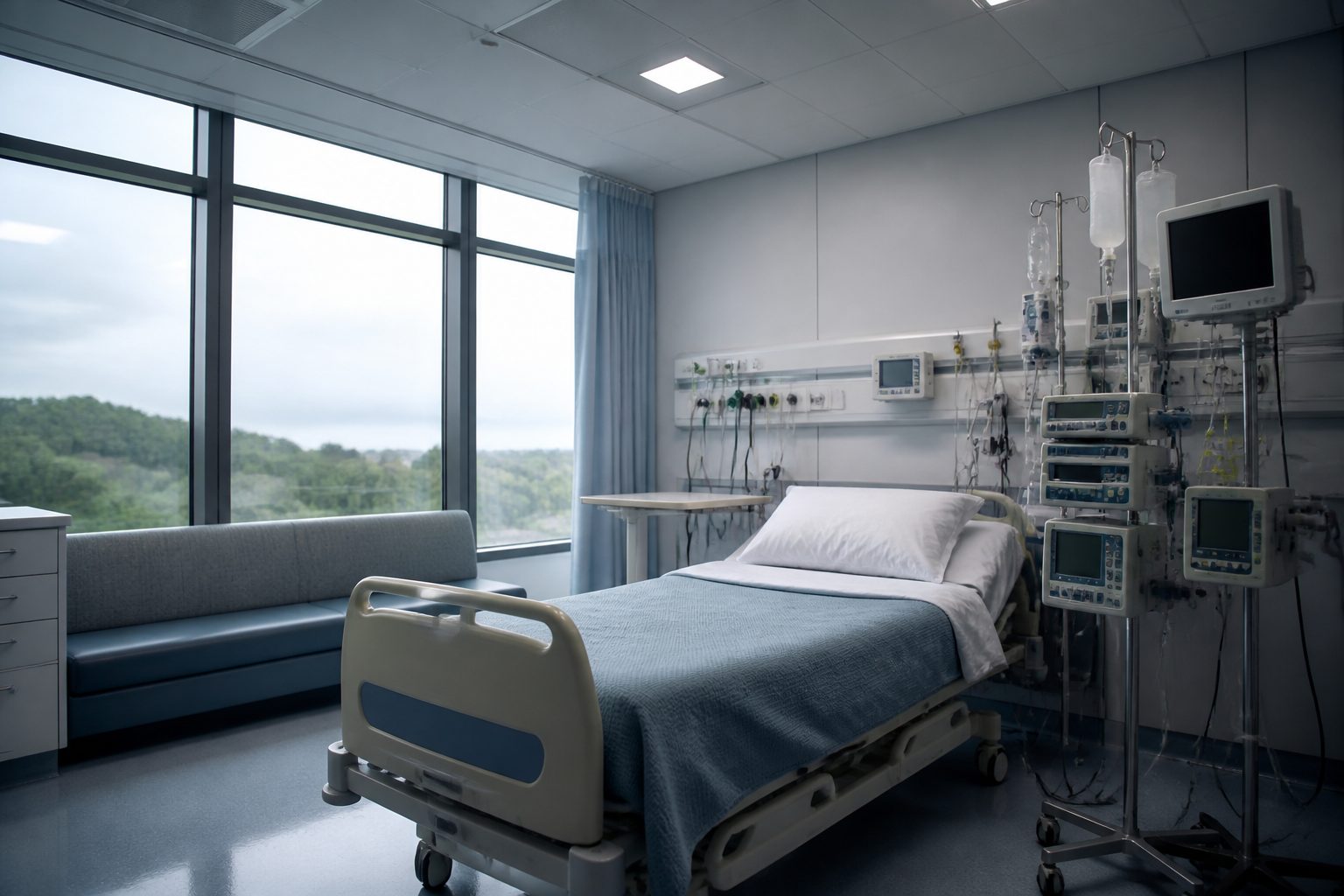
Patients seeking a bone marrow transplant (BMT) in India, Malaysia, or the UAE face complex decisions about where to go and what it will cost. This guide explains the typical price ranges, what those fees include, and how to plan for safe, effective treatment at top regional centres.
In 2024, the total cost of a bone marrow transplant in these countries ranges from $18,000 to $65,000, depending on the type of transplant, hospital, and patient needs. We break down what you get for your money, what’s extra, and how to minimise risk and expense.
What does a bone marrow transplant involve?
A bone marrow transplant (BMT) is a complex medical procedure used to treat a variety of serious blood disorders, including leukemia, lymphoma, multiple myeloma, certain inherited metabolic or immune deficiencies, and some rare genetic diseases. The goal is to replace diseased or damaged bone marrow with healthy stem cells that can regenerate normal blood cells and immune function. There are two main types of BMT:
- Autologous transplant: This type uses the patient’s own stem cells, which are collected in advance, stored, and then re-infused after intensive chemotherapy or radiation. It is most commonly used for certain lymphomas and multiple myeloma, and generally carries a lower risk of rejection or graft-versus-host disease (GVHD).
- Allogeneic transplant: This involves stem cells from a donor, who may be a sibling, family member, or an unrelated volunteer found through a donor registry. Allogeneic transplants are used for a wider range of diseases but carry higher risks of complications, including GVHD and infections.
The transplant process begins with a thorough pre-transplant evaluation, including extensive bloodwork, imaging, and organ function tests to assess fitness for the procedure. Next is the conditioning phase, where powerful chemotherapy and sometimes radiation are given to destroy the patient’s diseased marrow and suppress the immune system. This is followed by the infusion of healthy stem cells, which travel to the bone marrow and start producing new blood cells.
After the transplant, patients must stay in a specialized isolation unit, often for several weeks, to protect against infection while the new marrow engrafts. Recovery is closely monitored with daily lab tests, physical exams, and supportive care. The post-transplant phase is critical, as complications such as infections, bleeding, or organ dysfunction can occur. Patients are usually required to remain near the hospital for frequent outpatient follow-up for several months, especially in countries like India and Malaysia where international patients must plan for extended stays. Long-term recovery can take months, and ongoing monitoring is essential for a successful outcome.
Typical cost ranges in India, Malaysia, and the UAE
The cost of a bone marrow transplant varies widely based on country, hospital, transplant type, and patient factors. Below is a summary of estimated price ranges for a standard allogeneic or autologous BMT at reputable private centres in each country. All costs are in USD, with local currency equivalents where helpful.
| Country | Autologous BMT | Allogeneic BMT | Typical inclusions |
|---|---|---|---|
| India | $18,000–$28,000 (₹15–23 lakh) | $25,000–$40,000 (₹21–33 lakh) | Hospital stay, procedure, routine meds, basic tests |
| Malaysia | $28,000–$40,000 (RM 130k–185k) | $38,000–$55,000 (RM 175k–250k) | Hospital stay, procedure, routine meds, basic tests |
| UAE | $35,000–$50,000 (AED 129k–183k) | $45,000–$65,000 (AED 165k–239k) | Hospital stay, procedure, routine meds, basic tests |
These ranges are indicative only and do not include all possible costs. Actual fees vary by hospital, patient age, complications, and length of stay.
What is included in the price?
When considering the cost of a bone marrow transplant (BMT) in India, Malaysia, or the UAE, it is crucial to understand what is typically included in the quoted package price. Reputable transplant centres usually offer comprehensive packages, but the specifics can vary by country and hospital. Generally, the package covers a wide range of necessary services and medical care:
- Pre-admission evaluations: These include basic and advanced blood tests, imaging studies like X-rays or CT scans, and rigorous infection screening to assess your eligibility and readiness for transplant.
- Hospital accommodation: Most packages provide a single occupancy, infection-controlled hospital room, often with amenities for one caregiver. In India and Malaysia, these rooms are designed to minimize infection risk, a crucial factor in BMT recovery.
- Consultation and procedure fees: Charges for the hematologist, transplant physicians, nursing staff, and the multidisciplinary team are included, covering all consultations before, during, and after the procedure.
- Operating room and transplant procedure: This includes the costs of the operating theatre, use of sterile equipment, and the actual stem cell infusion process.
- Medications: Routine medications such as antibiotics, antivirals, antifungals, blood transfusions, and standard immunosuppressants are bundled into the package. These are critical to prevent infection and rejection during the hospital stay.
- Post-transplant monitoring: Daily physician rounds, nursing care, and regular laboratory tests to monitor blood counts, organ function, and infection markers are included. In India and the UAE, this often extends to nutritional support and physiotherapy during the inpatient stay.
It is important to note that most hospitals offer these packages only for patients classified as “standard risk.” If you have additional health complications, require extended intensive care, or need specialized drugs, extra charges may apply. In Malaysia and the UAE, for example, ICU costs and advanced imaging may be billed separately for complex cases. Always request a detailed breakdown from the hospital and clarify what happens if your clinical situation changes mid-treatment. This transparency will help you avoid unexpected expenses and plan your finances more effectively.
What is not included: hidden and extra costs
While BMT package prices cover many essentials, there are several significant costs that are often excluded and can add substantially to your total expenses. Understanding these potential extras is vital for proper budgeting, especially for international patients traveling to India, Malaysia, or the UAE. Here are some of the most common hidden and additional costs:
- Donor search and matching: If an unrelated donor is needed, the search and HLA matching process can be expensive, especially when using international registries. This can add $10,000–$25,000 or more, depending on the country and donor source. Related donor transplants are generally less costly.
- Advanced medications: While standard drugs are included, high-cost medications—like newer antifungals, advanced antibiotics, or specialized immunosuppressants—may not be. These are often required if complications arise and can cost thousands of dollars extra.
- Complication management: ICU stays, dialysis for kidney complications, mechanical ventilation, or additional surgeries are not typically included in the base package. The cost for intensive care can be significant, especially in the UAE, where ICU charges are among the highest in the region.
- Blood products: While routine transfusions are covered, if you require more blood products than the package allows, you may be billed per unit. This is especially relevant for patients with prolonged recovery or bleeding complications.
- Post-discharge expenses: After leaving the hospital, you may need to stay nearby for outpatient follow-up, which includes lab tests, doctor visits, and possibly additional medications. Accommodation and living costs for you and your caregiver are not included in hospital packages and can add up quickly, particularly in urban centres like Dubai or Kuala Lumpur.
- Travel and living expenses: International flights, local transportation, food, visas, and daily expenses for both the patient and accompanying family members are always separate from the medical package. In some countries, medical visas and insurance for the duration of your stay may also be required.
To avoid surprises, always request a full, itemized quote and ask the hospital to specify what happens if your treatment plan changes or complications occur. Understanding these exclusions will help you plan your finances realistically and ensure you are prepared for the entire BMT journey.
Best centres for bone marrow transplant in India, Malaysia, and the UAE
All three countries have internationally recognised cancer and transplant centres. In India, leading hospitals include Apollo Hospitals (Chennai, Delhi), Tata Memorial (Mumbai), and Christian Medical College (Vellore). Malaysia’s top centres include University Malaya Medical Centre and Prince Court Medical Centre (Kuala Lumpur). In the UAE, Cleveland Clinic Abu Dhabi and Burjeel Medical City are among the few offering full BMT services. Most major centres are accredited (e.g., JCI, NABH) and have dedicated international patient coordinators.
When comparing hospitals, look for:
- Dedicated BMT team with experienced hematologists
- Modern isolation wards and infection control protocols
- 24/7 ICU and transfusion services
- Clear, transparent cost estimates
- Support for international patients (visa help, interpreters, accommodation)
Key cost drivers: why prices vary
Several factors influence the overall cost of a bone marrow transplant:
- Type of transplant: Allogeneic transplants are more expensive than autologous due to donor matching, advanced immunosuppression, and higher complication risk.
- Complications: Extended ICU care, infections, or organ support can add $5,000–$30,000 to the bill.
- Donor source: Unrelated or international donor registries are costly; sibling or family donors are usually less expensive.
- Hospital reputation and location: Tertiary centres in major cities charge more but may have better outcomes and facilities.
- Patient factors: Age, comorbidities, and disease status affect resource needs and length of stay.
Clarify with your treating centre how these variables might affect your final cost.
How to choose a hospital or centre
Choosing the right hospital or transplant centre is one of the most important decisions for anyone considering a bone marrow transplant abroad. The quality of the hospital directly affects your safety, success rates, and overall experience. Here are detailed steps and key factors to guide international patients through the selection process:
- Accreditation and reputation: Look for hospitals accredited by international bodies such as Joint Commission International (JCI) or local authorities like NABH in India and MSQH in Malaysia. Accreditation ensures adherence to global standards of patient safety and care. Research the centre’s reputation, patient testimonials, and published success rates for BMT procedures.
- Transplant team experience: Ask about the experience of the hematology and transplant teams. Inquire how many transplants are performed annually and what proportion are similar to your case (e.g., pediatric vs. adult, autologous vs. allogeneic). High-volume centres in India’s major cities and Malaysia’s leading hospitals tend to have better outcomes due to greater expertise.
- Transparent pricing: Request a comprehensive, written estimate detailing exactly what is included and excluded from the quoted price. This should list all medical, surgical, and supportive services. Clarify policies for extra charges if complications arise.
- Infection control and isolation: Effective infection prevention is vital in BMT. Ask about the hospital’s isolation protocols, air filtration systems, and visitor policies. Top centres in the UAE and Malaysia will have dedicated BMT units with strict hygiene standards.
- International patient support: Ensure the hospital has a dedicated international patient office. They should assist with medical visa invitation letters, airport transfers, translation services, and help arranging local accommodation for your family or caregiver.
In addition to these medical and logistical factors, consider practical aspects such as the hospital’s location in relation to major international airports, the availability of language support (especially English or your native language), and proximity to affordable hotels or apartments for the outpatient recovery phase. Taking these steps will help ensure a smoother, safer, and more comfortable BMT journey abroad.
How to save safely on your BMT
Balancing cost savings with patient safety and quality outcomes is crucial when seeking a bone marrow transplant abroad. Here are practical and safe ways to reduce your expenses without compromising the standard of care, tailored to the realities in India, Malaysia, and the UAE:
- Opt for a standard risk package: If your medical profile fits the criteria for a “standard risk” BMT, you may qualify for a less expensive, all-inclusive package. This is most suitable for patients with straightforward cases and no major comorbidities. Always confirm eligibility with your treating physician.
- Use a related donor: Transplants using a matched sibling or family donor are generally less expensive and carry a lower risk of complications. This can eliminate the high costs associated with unrelated donor searches, which are particularly significant in the UAE and Malaysia.
- Negotiate for bundled pricing: Many hospitals, especially in India, are open to negotiating the total cost if you anticipate a longer hospital stay or have special needs. Ask for a bundled or capped price that covers all expected services, and clarify policies for handling complications.
- Seek financial aid or discounts: Some hospitals offer discounts for self-paying international patients, and there may be charitable organizations or government schemes (especially in India) that provide partial funding or subsidies. Ask the hospital’s international patient office for guidance on available options.
- Plan affordable accommodation: During the outpatient recovery phase, staying in a budget hotel, serviced apartment, or hospital guesthouse nearby can significantly reduce living costs. In Malaysia and India, many hospitals have partnerships with local accommodation providers for long-term stays.
However, never compromise on critical aspects like infection control, doctor qualifications, or post-transplant monitoring just to save money. Avoid unaccredited or low-cost centres that may cut corners, as this can put your health at serious risk. Always verify the hospital’s credentials, success rates, and support systems for international patients. Prioritizing experienced, accredited centres will help ensure both safety and value for this life-saving procedure.
Planning your stay: timeline and logistics
Patients and families planning a BMT abroad should prepare for a stay of at least 4–8 weeks, sometimes longer. The typical journey includes:
- Pre-transplant evaluation (1–2 weeks)
- Conditioning and transplant (2–4 weeks inpatient)
- Immediate recovery and engraftment monitoring (2–4 weeks inpatient or outpatient)
- Long-term follow-up (can be done in home country if coordinated)
Make arrangements for accommodation, daily meals, transport, and translation if needed. Bring all relevant medical records and ensure you have a local contact person at the hospital. Some hospitals require a deposit or advance payment before admission.
Frequently asked questions
How long will I need to stay in the hospital for a BMT?
Most patients stay in hospital for 4–6 weeks, but this can be longer if complications arise. A further period of outpatient follow-up is usually required before returning home. Your doctor will advise based on your progress.
Are bone marrow transplants safe in India, Malaysia, and the UAE?
Major centres in these countries offer internationally accepted standards of care, with experienced teams and modern facilities. Outcomes depend on your health, the hospital, and the type of transplant. Always choose an accredited, high-volume centre.
What documents do I need for treatment abroad?
You will need your full medical records, passport, visa, and proof of ability to pay (sometimes a deposit). The hospital may also require referral letters and specific blood test results. Check with your chosen centre’s international patient office for details.
Can I bring a family member or caregiver?
Most hospitals allow one or two caregivers to stay with you or in nearby accommodation. They may not be permitted in isolation areas but can provide support during your recovery. Ask about visitor rules and support services when booking.
Will my insurance cover a bone marrow transplant abroad?
Some international health insurance plans cover BMT abroad, but many do not. Always confirm coverage in writing before you travel, including what is included, excluded, and the process for claims. Self-paying patients should get a clear estimate and payment plan.
Related guides
Disclaimer: Prices and information in this article are indicative and vary by hospital, patient case, and exchange rates. Always request a written quote from your chosen centre and consult a qualified hematologist before making decisions about bone marrow transplant treatment.